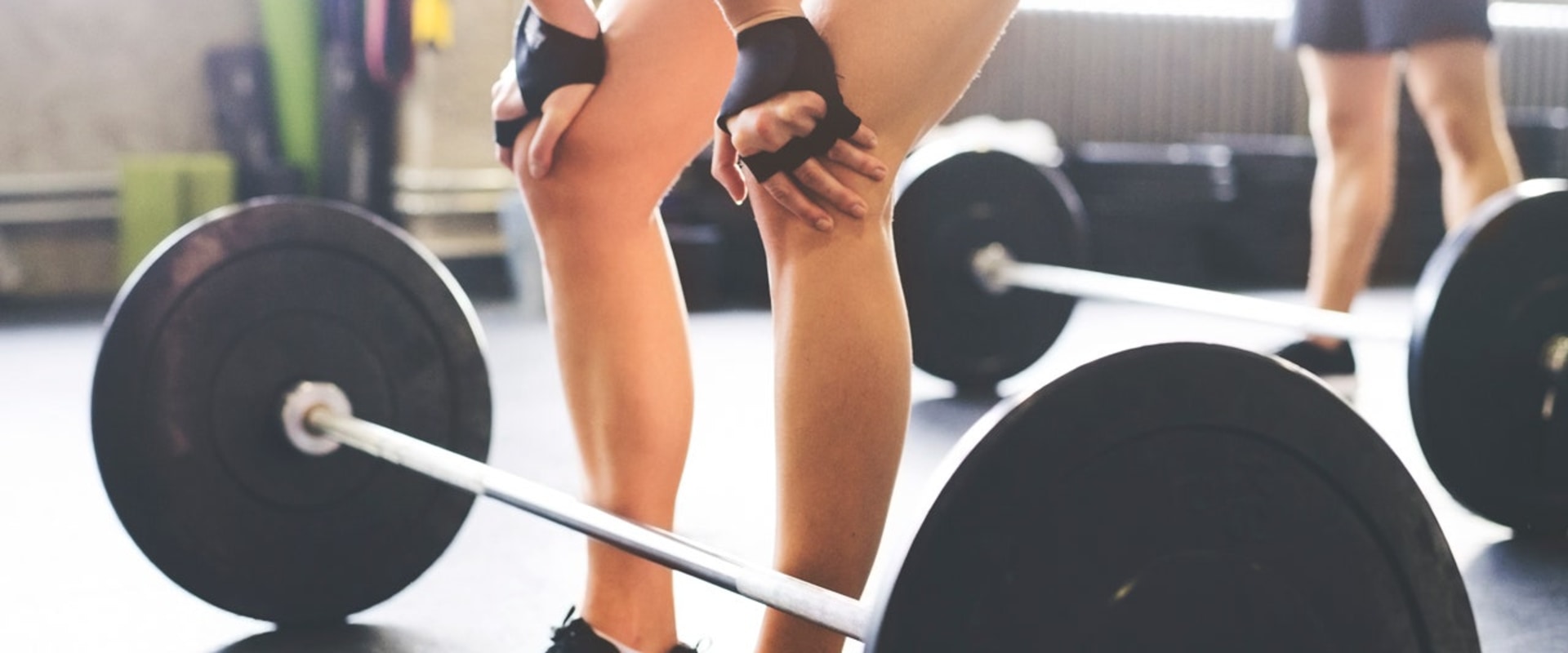
Weight lifting is often perceived as a domain reserved for bodybuilders and athletes, but its benefits extend far beyond muscle gain. In fact, it plays a crucial role in weight loss and overall health improvement. By incorporating weight lifting into your fitness routine, you can not only sculpt your physique but also enhance your metabolic rate, making it an effective strategy for shedding unwanted pounds.When you engage in weight lifting, your body undergoes a series of physiological changes that contribute to weight loss. Unlike traditional cardio exercises that primarily burn calories during the activity itself, weight lifting creates an afterburn effect known as excess post-exercise oxygen consumption (EPOC).
This means that your body continues to burn calories long after you've finished your workout, leading to increased fat loss over time.Moreover, weight lifting helps build lean muscle mass, which is essential for boosting your metabolism. Muscle tissue burns more calories at rest compared to fat tissue, so the more muscle you have, the more calories you will burn throughout the day. This is particularly beneficial for those looking to maintain their weight loss in the long run. Additionally, strength training can improve insulin sensitivity and glucose metabolism, further aiding in fat loss and reducing the risk of chronic diseases.In summary, understanding the role of weight lifting in weight loss is vital for anyone looking to achieve their fitness goals.
It not only enhances your physical appearance but also contributes to better health outcomes. As we delve deeper into this article, we will explore various aspects of weight lifting, including effective exercises and tips for maximizing its benefits in your weight loss journey.
The Science Behind Weight Loss and Muscle Building
Understanding the science of weight loss and muscle building is crucial for anyone looking to enhance their fitness journey. At the core of this process lies the relationship between muscle mass, metabolism, and calorie expenditure. When you engage in weight lifting, you not only build muscle but also significantly influence your body's metabolic rate.Muscle Mass and Metabolism
Muscle tissue is metabolically active, meaning it requires energy to maintain itself.
This energy requirement translates into a higher basal metabolic rate (BMR), which is the number of calories your body burns at rest. Research indicates that for every pound of muscle gained, your body can burn approximately 6-10 additional calories per day. Therefore, increasing your muscle mass through weight lifting can lead to a more efficient metabolism.
The Role of Caloric Deficit
For effective weight loss, creating a caloric deficit is essential. This means consuming fewer calories than your body expends.
While cardio exercises are often touted for their calorie-burning benefits, incorporating strength training can enhance this effect by preserving lean muscle mass during weight loss. When you lose weight without strength training, you risk losing both fat and muscle, which can slow down your metabolism.
Calorie Burn During and After Workouts
Weight lifting not only burns calories during the workout but also contributes to what is known as the afterburn effect, or excess post-exercise oxygen consumption (EPOC). After an intense weightlifting session, your body continues to consume oxygen at an elevated rate as it works to restore itself to pre-exercise levels. This process can lead to additional calorie burn for hours or even days after your workout.
Conclusion
In summary, the physiological aspects of weight loss and muscle building highlight the importance of incorporating weight lifting into your fitness routine.
By increasing muscle mass, you boost your metabolism and enhance your body's ability to burn calories efficiently. This scientific understanding provides a solid foundation for why strength training is not just beneficial but essential for effective weight loss.
Benefits of Weight Lifting for Weight Loss
Incorporating weight lifting into your fitness routine can significantly enhance your weight loss journey. While many people associate weight loss primarily with cardiovascular exercises, strength training offers unique benefits that can accelerate fat loss and improve overall body composition.Increased Muscle Mass
One of the most compelling advantages of weight lifting is its ability to increase muscle mass. As you engage in resistance training, your muscles undergo micro-tears, which then repair and grow stronger.
This process not only enhances your strength but also contributes to a higher resting metabolic rate (RMR). Essentially, the more muscle you have, the more calories your body burns at rest, making it easier to maintain a caloric deficit necessary for weight loss.
Improved Metabolism
Weight lifting boosts your metabolism in several ways. First, the energy expenditure during a weightlifting session is significant; you burn calories while lifting weights and continue to burn calories post-workout during the recovery phase, known as excess post-exercise oxygen consumption (EPOC). This phenomenon means that your body continues to burn calories even after you've finished exercising, contributing to greater overall calorie expenditure.
Enhanced Fat Burning
Strength training not only helps in building muscle but also plays a crucial role in fat loss.
When you lift weights, your body utilizes stored fat as a source of energy, especially during high-intensity workouts. Additionally, studies have shown that individuals who incorporate strength training into their routines tend to lose more body fat compared to those who rely solely on cardio.
Improved Body Composition
Weight lifting can lead to a more favorable body composition by reducing body fat percentage while increasing lean muscle mass. This shift not only improves physical appearance but also enhances metabolic health. A lower body fat percentage is associated with reduced risks of chronic diseases such as diabetes and heart disease.
Psychological Benefits
The psychological benefits of weight lifting should not be overlooked.
Engaging in strength training can boost self-esteem and confidence as you see improvements in your strength and physique. This positive mindset can motivate you to stick with your weight loss goals and maintain a healthy lifestyle.In summary, the benefits of weight lifting for weight loss are multifaceted. From increasing muscle mass and improving metabolism to enhancing fat burning and promoting better body composition, strength training is an essential component of any effective weight loss strategy. By incorporating weight lifting into your fitness routine, you can achieve sustainable results and improve your overall health.
Types of Weight Lifting Exercises for Effective Weight Loss
When it comes to weight loss, incorporating a variety of weight lifting exercises into your routine can significantly enhance your results.Not only do these exercises help build muscle, but they also increase your metabolic rate, allowing you to burn more calories even at rest. Below are some of the most effective weight lifting exercises that can aid in your weight loss journey.
1.Squats
Squats are a fundamental exercise that targets multiple muscle groups, including the quadriceps, hamstrings, glutes, and core. This compound movement not only builds strength but also boosts your heart rate, making it an excellent choice for weight loss. To perform a squat:- Stand with your feet shoulder-width apart.
- Bend your knees and lower your hips as if sitting back into a chair.
- Keep your chest up and back straight.
- Lower until your thighs are parallel to the ground, then push through your heels to return to standing.
2.Deadlifts
Deadlifts are another powerful exercise that engages the entire posterior chain, including the back, glutes, and hamstrings.This exercise is particularly effective for building strength and improving posture. To execute a deadlift:
- Stand with your feet hip-width apart and a barbell in front of you.
- Bend at the hips and knees to grip the barbell with both hands.
- Keep your back straight as you lift the barbell by extending your hips and knees simultaneously.
- Lower the barbell back to the ground with control.
3.Bench Press
The bench press is a staple for building upper body strength, targeting the chest, shoulders, and triceps. It can be performed with a barbell or dumbbells. To perform a bench press:- Lie on a flat bench with your feet flat on the floor.
- Grip the barbell slightly wider than shoulder-width apart.
- Lower the barbell to your chest while keeping your elbows at about a 45-degree angle.
- Push the barbell back up until your arms are fully extended.
4.Bent-Over Rows
Bent-over rows are excellent for strengthening the back muscles, which can improve posture and overall strength.This exercise also engages the biceps and shoulders. To perform bent-over rows:
- Stand with feet shoulder-width apart, holding a barbell or dumbbells.
- Bend at the hips while keeping your back straight until your torso is nearly parallel to the ground.
- Pull the weights towards your lower ribcage while squeezing your shoulder blades together.
- Lower the weights back down with control.
Creating a Weight Lifting Program for Weight Loss
Creating a personalized weight lifting program tailored for weight loss involves several key factors that can significantly impact your results.Understanding these elements will help you design a program that not only meets your fitness goals but also fits your lifestyle.
1.Frequency of Workouts
To effectively lose weight through weight lifting, aim for at least three to five sessions per week. This frequency allows your body to adapt to the stress of lifting while also providing enough stimulus for muscle growth and fat loss. If you're just starting, consider beginning with three days a week, focusing on full-body workouts to maximize calorie burn.
2.Intensity and Volume
The intensity of your workouts is crucial for weight loss. Incorporate a mix of heavy lifting and higher-repetition sets.
For example, you might perform compound exercises like squats and deadlifts with heavier weights for lower reps (4-6), while accessory movements like bicep curls or tricep extensions can be done with lighter weights for higher reps (12-15). This combination helps build muscle while also promoting fat loss.
3.Exercise Selection
Focus on compound movements that engage multiple muscle groups, such as:
- Squats
- Deadlifts
- Bench Presses
- Pull-Ups
- Overhead Presses
4.Rest Days
Rest is just as important as the workouts themselves. Incorporate at least one or two rest days into your weekly routine to allow your muscles to recover and grow stronger. On rest days, consider engaging in light activities such as walking or yoga to keep your body active without overexerting yourself.
5.Nutrition and Hydration
No weight lifting program is complete without proper nutrition.
Ensure you consume a balanced diet rich in protein, healthy fats, and complex carbohydrates to fuel your workouts and aid recovery. Staying hydrated is equally important; aim for at least 8-10 cups of water daily, adjusting based on your activity level.
6.Tracking Progress
Finally, keep track of your workouts and progress. Use a journal or an app to log weights lifted, repetitions completed, and any changes in body measurements or weight. This will help you stay motivated and make necessary adjustments to your program as you progress.By considering these factors when creating your weight lifting program, you'll be well on your way to achieving effective weight loss while building strength and improving overall fitness.
Common Mistakes to Avoid in Weight Lifting for Weight Loss
Embarking on a weight lifting journey for weight loss can be incredibly rewarding, but it’s essential to navigate the process carefully to avoid common pitfalls.Here are some frequent mistakes that beginners often make, along with tips on how to steer clear of them.
- Neglecting Proper Form: One of the most critical aspects of weight lifting is maintaining proper form. Many beginners rush through exercises, which can lead to injuries and ineffective workouts. Always prioritize technique over the amount of weight lifted. Consider working with a trainer or watching instructional videos to learn the correct form for each exercise.
- Skipping Warm-Ups: Jumping straight into lifting without warming up can increase the risk of injury.
A proper warm-up increases blood flow to your muscles and prepares your body for the workout ahead. Spend at least 5-10 minutes doing dynamic stretches or light cardio before lifting weights.
- Overtraining: While it’s tempting to push yourself hard, overtraining can lead to burnout and injuries. Ensure you incorporate rest days into your routine. Muscles need time to recover and grow stronger, so aim for at least one or two rest days each week.
- Ignoring Nutrition: Weight lifting alone won’t lead to significant weight loss if your diet isn’t aligned with your goals.
Focus on a balanced diet rich in protein, healthy fats, and complex carbohydrates. Proper nutrition fuels your workouts and aids in recovery.
- Focusing Solely on Weight Loss: Many beginners fixate on the scale, which can be misleading. Instead of solely tracking weight loss, consider other metrics such as strength gains, muscle definition, and overall fitness levels. Celebrate these achievements as they indicate progress.
- Not Varying Workouts: Sticking to the same routine can lead to plateaus in progress.
Incorporate a variety of exercises targeting different muscle groups and change up your routine every few weeks to keep your body challenged.
Incorporating Cardio with Weight Lifting for Optimal Results
When it comes to achieving optimal results in your fitness journey, combining cardiovascular exercise with weight lifting is a powerful strategy. While weight lifting is essential for building muscle and strength, incorporating cardio can significantly enhance your fat loss efforts and improve overall cardiovascular health.The Role of Cardio in Weight Loss
Cardio exercises, such as running, cycling, or swimming, elevate your heart rate and increase calorie expenditure. This is crucial for creating a caloric deficit, which is necessary for weight loss.
When you engage in cardio alongside your weight lifting routine, you not only burn calories during the workout but also continue to burn calories post-exercise due to the afterburn effect, known as excess post-exercise oxygen consumption (EPOC).
Benefits of Combining Cardio and Strength Training
- Preservation of Muscle Mass: One of the primary concerns during weight loss is the potential loss of muscle mass. By incorporating strength training into your routine, you can help preserve lean muscle while shedding fat.
- Improved Metabolic Rate: Weight lifting increases your resting metabolic rate, meaning you burn more calories at rest. Adding cardio can further enhance this effect, leading to more effective fat loss.
- Enhanced Endurance: Cardio improves your cardiovascular fitness, allowing you to perform better during weight lifting sessions. This can lead to increased strength gains over time.
- Diverse Workouts: Combining both forms of exercise keeps your workouts varied and engaging, reducing the risk of boredom and plateaus.
Best Workouts for Fat Loss
To effectively combine cardio with weight lifting for fat loss, consider the following approaches:
- Circuit Training: This involves performing a series of strength exercises followed by short bursts of cardio.
For example, complete a set of squats, then immediately do jumping jacks or burpees.
- High-Intensity Interval Training (HIIT): HIIT alternates between intense bursts of activity and fixed periods of less-intense activity or complete rest. This method is highly effective for burning fat while preserving muscle mass.
- Steady-State Cardio: Incorporate longer sessions of moderate-intensity cardio on days when you're not lifting weights. Activities like jogging or cycling can help maintain cardiovascular health without compromising muscle recovery.
<strong>Conclusion</strong>: Embracing Weight Lifting as a Path to Sustainable Weight Loss
In conclusion, weight lifting is not just a method for building muscle; it is a powerful tool for achieving sustainable weight loss.Throughout this article, we have explored the multifaceted benefits of incorporating weight lifting into your fitness regimen. From enhancing muscle mass to boosting metabolism, the advantages are clear and compelling.One of the most significant aspects of weight lifting is its ability to increase your resting metabolic rate. As you build muscle, your body requires more energy to maintain that muscle mass, which means you will burn more calories even when you are not exercising. This metabolic boost can be a game-changer for those looking to lose weight and keep it off.Moreover, weight lifting contributes to improved body composition.
Unlike traditional cardio exercises that primarily focus on burning calories during the workout, strength training helps reshape your body by increasing lean muscle while reducing fat. This shift not only enhances your physical appearance but also improves overall health markers.To effectively integrate weight lifting into your weight loss journey, consider the following actionable steps:
- Set Clear Goals: Define what you want to achieve with your weight lifting routine. Whether it's losing a specific amount of weight or increasing your strength, having clear objectives will keep you motivated.
- Create a Balanced Routine: Combine weight lifting with cardiovascular exercises and flexibility training for a well-rounded fitness program. This holistic approach will maximize your results.
- Focus on Nutrition: Pair your workouts with a balanced diet rich in protein, healthy fats, and complex carbohydrates.
Proper nutrition fuels your workouts and aids in recovery.
- Stay Consistent: Consistency is key in any fitness journey. Aim for regular workouts and gradually increase the intensity as you progress.
- Listen to Your Body: Pay attention to how your body responds to different exercises and adjust your routine accordingly. Rest days are crucial for recovery and muscle growth.
Remember, the journey towards sustainable weight loss is not just about the destination; it’s about enjoying the process and celebrating every small victory along the way.