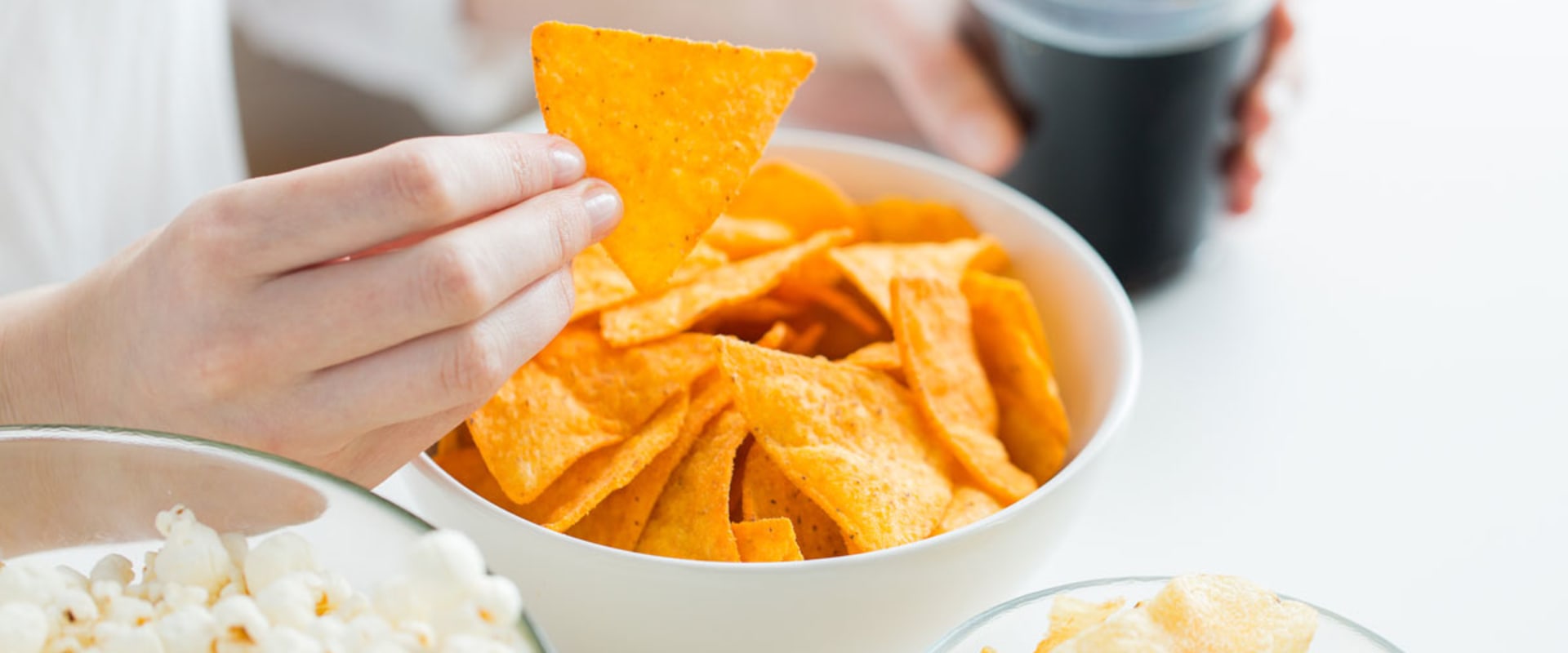
Processed foods are ubiquitous in modern diets, yet many people remain unaware of their prevalence and potential health implications. At their core, processed foods are any food items that have been altered from their original state through various methods, including cooking, freezing, canning, or adding preservatives. This alteration often aims to enhance flavor, extend shelf life, or improve convenience. However, the consequences of consuming these foods can be significant, particularly when it comes to weight management and overall health.To better understand processed foods, it's essential to categorize them into distinct types.
Minimally processed foods include items like pre-washed salad greens or frozen fruits and vegetables that retain most of their nutritional value. Processed culinary ingredients , such as oils and sugars, are derived from natural sources but are not consumed in their original form. On the other hand, heavily processed foods —often referred to as ultra-processed—include ready-to-eat meals, sugary snacks, and sodas that contain numerous additives like artificial flavors, colors, and preservatives. These heavily processed options are typically high in calories but low in essential nutrients.The effects of consuming processed foods on health can be profound.
Regular intake of ultra-processed items has been linked to various health issues, including obesity, heart disease, and diabetes. These foods often contain high levels of added sugars and unhealthy fats that contribute to weight gain and metabolic disorders. Furthermore, the lack of fiber in many processed snacks can lead to increased hunger and cravings, making it challenging to maintain a healthy weight. Understanding what constitutes processed foods is crucial for making informed dietary choices that support weight loss and overall well-being.
The Link Between Processed Foods and Weight Gain
The relationship between processed foods and weight gain is a critical area of concern for anyone looking to shed pounds.Processed foods are typically high in calories but low in essential nutrients, creating a perfect storm for weight gain. This section delves into how these foods contribute to overeating and metabolic dysfunction.One of the primary reasons processed foods lead to weight gain is their calorie density. Many processed items are engineered to be hyper-palatable, meaning they are designed to taste exceptionally good, often through the addition of sugars, unhealthy fats, and artificial flavors. This combination makes it easy to consume large quantities without feeling satisfied.
For instance, a single serving of chips may contain 150 calories, but it’s easy to eat an entire bag in one sitting, leading to a significant calorie surplus.Moreover, processed foods often lack fiber , which is crucial for satiety. Fiber-rich foods help you feel full longer, reducing the likelihood of overeating. In contrast, many processed snacks and meals are stripped of their natural fiber content during manufacturing. This absence can lead to rapid spikes in blood sugar levels followed by crashes that trigger hunger pangs shortly after eating.Additionally, the consumption of processed foods can negatively impact your metabolism.
Studies have shown that diets high in processed foods can lead to insulin resistance, a condition where the body’s cells become less responsive to insulin. This can result in higher blood sugar levels and increased fat storage, making it more challenging to lose weight. Furthermore, the body may struggle to efficiently metabolize these calorie-dense foods, leading to excess energy being stored as fat rather than being used for fuel.In summary, the link between processed foods and weight gain is evident through their high calorie density, lack of fiber, and detrimental effects on metabolism. For those aiming for weight loss, understanding these factors is essential in making informed dietary choices that promote health and well-being.
Health Benefits of Cutting Out Processed Foods
Eliminating processed foods from your diet can lead to a multitude of health benefits that extend beyond just weight loss.One of the most significant improvements people notice is an increase in energy levels. Processed foods often contain high amounts of sugar and unhealthy fats, which can lead to energy crashes and fatigue. In contrast, whole foods such as fruits, vegetables, whole grains, and lean proteins provide a steady source of energy. These foods are rich in essential nutrients that fuel your body and keep you feeling energized throughout the day.Another critical benefit of cutting out processed foods is enhanced digestion.
Many processed items are low in fiber, which is essential for a healthy digestive system. Fiber helps regulate bowel movements and promotes the growth of beneficial gut bacteria. By incorporating whole foods into your diet, you increase your fiber intake, which can alleviate issues such as bloating, constipation, and irregularity. Foods like beans, lentils, fruits, and vegetables are excellent sources of fiber that support digestive health.Moreover, the impact on skin health cannot be overlooked.
Processed foods often contain additives and preservatives that can trigger skin issues such as acne or inflammation. By switching to whole foods, you provide your body with the vitamins and minerals necessary for maintaining healthy skin. Nutrients like vitamin C from fruits and omega-3 fatty acids from fish can improve skin elasticity and reduce signs of aging.Overall well-being is another area where cutting out processed foods shines. Whole foods are nutrient-dense, meaning they offer more vitamins and minerals per calorie compared to their processed counterparts.
This nutrient density supports various bodily functions, including immune response and mental health. A diet rich in whole foods can lead to improved mood stability and cognitive function.In summary, the health benefits of cutting out processed foods are profound. From increased energy levels to better digestion and enhanced skin health, the advantages are numerous. By making this dietary change, you not only support your weight loss goals but also invest in your overall health and well-being.
Practical Tips for Transitioning to a Whole Food Diet
Transitioning to a whole food diet can feel overwhelming, but with the right strategies in place, you can make the process smoother and more enjoyable.Here are some practical tips to help you cut out processed foods effectively.
Meal Planning Tips
One of the most effective ways to ensure you stick to a whole food diet is through meal planning. Here are some steps to get started:- Set Aside Time Weekly: Dedicate a specific time each week to plan your meals. This will help you stay organized and reduce the temptation to reach for processed options.
- Create a Balanced Menu: Aim for a variety of foods in your meals, including fruits, vegetables, whole grains, and lean proteins. This not only keeps your meals interesting but also ensures you get a range of nutrients.
- Make a Shopping List: After planning your meals, create a detailed shopping list based on the ingredients you need.
Stick to this list while shopping to avoid impulse buys of processed foods.
Healthy Snack Alternatives
Snacking can be a challenge when cutting out processed foods, but there are plenty of healthy alternatives that can satisfy your cravings:- Fresh Fruits and Vegetables: Keep cut-up veggies like carrots, cucumbers, and bell peppers in the fridge for quick snacks. Pair them with hummus or guacamole for added flavor.
- Nuts and Seeds: A handful of unsalted nuts or seeds can provide healthy fats and protein, keeping you full between meals.
- Homemade Energy Bars: Consider making your own energy bars using oats, nut butter, and dried fruits. This way, you control the ingredients and avoid added sugars.
Grocery Shopping Advice
Your grocery shopping habits play a crucial role in your transition to whole foods. Here are some tips to keep in mind:- Shop the Perimeter: Most grocery stores have fresh produce, meats, and dairy products around the perimeter.
Focus on these areas and limit your time in the aisles where processed foods are typically found.
- Read Labels Carefully: If you do buy packaged items, always read the ingredient list. Look for products with minimal ingredients that you recognize as whole foods.
- Buy in Bulk: Purchasing grains, nuts, and seeds in bulk can save money and reduce packaging waste. Just make sure to store them properly to maintain freshness.
Dealing with Cravings and Temptations
Transitioning to a diet free of processed foods can be challenging, particularly when it comes to managing cravings and temptations. Understanding how to navigate these hurdles is crucial for maintaining your commitment to healthier eating habits.Understanding Cravings
Cravings often arise from emotional triggers, habitual patterns, or even nutritional deficiencies.When you cut out processed foods, your body may initially react with cravings for the high-sugar and high-fat items it has grown accustomed to. Recognizing that these cravings are temporary can help you stay focused on your long-term goals.
Strategies for Managing Cravings
- Stay Hydrated: Sometimes, what feels like a craving is actually thirst. Drinking water throughout the day can help curb unnecessary snacking.
- Healthy Snacking: Keep healthy snacks on hand, such as fruits, nuts, or yogurt. These options can satisfy your hunger without derailing your progress.
- Mindful Eating: Practice mindfulness by paying attention to what you eat and savoring each bite.
This can help you feel more satisfied and reduce the urge to snack mindlessly.
- Plan Your Meals: Having a meal plan can prevent impulsive eating decisions. When you know what you’re going to eat ahead of time, you’re less likely to reach for processed snacks.
Overcoming Social Pressures
Social situations can present additional challenges when trying to avoid processed foods. Whether it’s a party with tempting treats or dining out with friends, it’s essential to have strategies in place:- Communicate Your Goals: Let friends and family know about your dietary changes. They may be more supportive than you expect and can help create an environment that aligns with your goals.
- Bring Your Own Dish: When attending gatherings, consider bringing a healthy dish that you enjoy.
This ensures there’s at least one option available that fits your dietary preferences.
- Practice Saying No: It’s okay to decline offers of processed foods. You can politely refuse while expressing gratitude for the offer.
Success Stories: Real-Life Examples of Weight Loss Through Whole Foods
Many individuals have experienced remarkable transformations by cutting out processed foods and embracing a whole food diet. These success stories not only highlight the potential for weight loss but also emphasize the numerous health benefits that come with such dietary changes.Here are a few inspiring testimonials from people who have made the switch:
Emily's Journey: From Fatigue to Vitality
Emily, a 32-year-old mother of two, struggled with fatigue and weight gain for years. After realizing that her diet was primarily composed of processed snacks and fast food, she decided to make a change. By eliminating processed foods and focusing on whole foods like fruits, vegetables, and lean proteins, Emily lost 30 pounds in just six months. She reported feeling more energetic and vibrant than ever before."I never knew how much my diet was affecting my energy levels until I made the switch. Now, I can keep up with my kids and feel great doing it!"
Mark's Transformation: A New Lease on Life
Mark, a 45-year-old office worker, faced health issues related to obesity, including high blood pressure and cholesterol levels. After attending a health seminar that emphasized the benefits of whole foods, he decided to cut out processed foods entirely. Within a year, Mark lost over 50 pounds and significantly improved his health markers."I used to rely on quick meals from the freezer aisle, but now I cook fresh meals at home. It’s not just about losing weight; it’s about feeling good and being healthy!"
Sarah's Success: Finding Balance
At 28, Sarah had tried numerous diets without lasting success. After learning about the negative effects of processed foods, she committed to a whole food diet. Over eight months, she lost 40 pounds and discovered a newfound love for cooking."I used to think healthy eating was boring, but now I experiment with different whole ingredients every day! Cutting out processed foods has changed my relationship with food completely," she shared.These testimonials illustrate that cutting out processed foods can lead to significant weight loss and improved overall health. Each story serves as a reminder that making mindful dietary choices can transform not only our bodies but also our lives.
Conclusion: Embracing a Healthier Lifestyle Through Whole Foods
In conclusion, the journey towards a healthier lifestyle and effective weight loss begins with the conscious decision to cut out processed foods. Throughout this article, we have explored the numerous benefits associated with adopting a whole food diet, emphasizing how it can transform not only your body but also your overall well-being.One of the most significant advantages of eliminating processed foods is the improvement in energy levels. Whole foods are rich in essential nutrients that fuel your body, allowing you to feel more vibrant and active throughout the day.In contrast, processed foods often lead to energy crashes due to their high sugar and unhealthy fat content.Moreover, a diet centered around whole foods promotes better digestion. By consuming natural ingredients that are high in fiber, you can support your digestive system, reducing issues such as bloating and constipation. This not only enhances your physical comfort but also aids in nutrient absorption, ensuring your body gets the most out of what you eat.When it comes to weight loss, cutting out processed foods is a game changer. Whole foods tend to be lower in calories and higher in fiber, which helps you feel fuller for longer periods.
This can significantly reduce the likelihood of overeating and snacking on unhealthy options. As you replace processed snacks with fruits, vegetables, nuts, and seeds, you will find it easier to maintain a healthy weight.As you embark on this transformative journey, remember that change takes time. Embrace the process of gradually incorporating more whole foods into your diet while phasing out processed options. Celebrate small victories along the way and stay committed to your goals.Ultimately, adopting a whole food diet is not just about losing weight; it’s about fostering a sustainable lifestyle that prioritizes health and well-being.
By making informed choices about what you eat, you are investing in your future health and happiness. So take that first step today—your body will thank you for it!.