Belly fat, often referred to as visceral fat, is more than just a cosmetic concern; it poses significant health risks that can affect your overall well-being. Unlike subcutaneous fat, which lies just beneath the skin, visceral fat surrounds vital organs such as the liver, pancreas, and intestines. This type of fat is particularly dangerous because it can lead to serious health issues, including heart disease, type 2 diabetes, and certain cancers. Understanding the implications of belly fat is crucial for anyone looking to improve their health and achieve effective weight loss.The accumulation of belly fat can be attributed to various factors, including poor diet, lack of physical activity, genetics, and hormonal changes.
Diets high in processed foods, sugars, and unhealthy fats contribute significantly to the buildup of visceral fat. Additionally, stress and inadequate sleep can lead to hormonal imbalances that promote fat storage in the abdominal area. Recognizing these causes is essential for developing effective strategies to combat belly fat.Addressing belly fat is not merely about aesthetics; it is a vital step towards enhancing your overall health. Reducing visceral fat can improve metabolic function, lower blood pressure, and decrease inflammation in the body.
By focusing on dietary changes and incorporating more fiber and protein-rich foods into your meals, you can create a sustainable plan for weight loss that targets belly fat specifically. This approach not only helps in shedding pounds but also fosters long-term health benefits that extend beyond just physical appearance.
The Role of Diet in Weight Loss
When it comes to weight loss , the role of diet cannot be overstated. A well-structured diet is fundamental in achieving and maintaining a healthy weight, as it directly influences the body's ability to burn fat and build muscle. One of the key principles of effective weight loss is creating a caloric deficit , which occurs when you consume fewer calories than your body expends.This deficit forces the body to utilize stored fat for energy, leading to weight loss over time.To successfully create a caloric deficit, it is essential to understand the types of foods that can aid in this process. Foods that are high in fiber and protein are particularly beneficial, as they not only help you feel full longer but also provide essential nutrients that support overall health. Fiber-rich foods, such as fruits, vegetables, whole grains, and legumes, can help regulate digestion and maintain stable blood sugar levels, which are crucial for managing hunger and cravings.Incorporating protein into your diet is equally important. Protein has a higher thermic effect compared to fats and carbohydrates, meaning your body burns more calories digesting protein-rich foods.
Additionally, protein helps preserve lean muscle mass during weight loss, which is vital for maintaining a healthy metabolism. Foods like lean meats, fish, eggs, dairy products, and plant-based proteins such as beans and lentils should be staples in your diet.Moreover, understanding portion sizes and being mindful of caloric intake can significantly impact your weight loss journey. Keeping track of what you eat can help you identify areas where you might be consuming excess calories. Utilizing tools like food diaries or mobile apps can assist in monitoring your daily caloric intake.Ultimately, while exercise plays a crucial role in weight management, the foundation lies in your dietary choices.
By focusing on nutrient-dense foods that promote satiety and support a caloric deficit, you can effectively work towards your weight loss goals while ensuring your body receives the necessary nutrients for optimal health.
Why Fiber is Essential for Weight Loss
When it comes to achieving weight loss, fiber plays a crucial role that often goes overlooked. This essential nutrient not only aids in digestion but also significantly contributes to feelings of fullness, making it easier to manage your caloric intake. Understanding the benefits of fiber can empower you to make better dietary choices that support your weight loss journey.Benefits of Fiber for Weight Loss
- Increased Satiety: One of the primary benefits of fiber is its ability to promote satiety. High-fiber foods take longer to chew and digest, which means they stay in your stomach longer, helping you feel full and satisfied.
This can lead to reduced overall calorie consumption, making it easier to maintain a caloric deficit necessary for weight loss.
- Improved Digestive Health: Fiber is essential for a healthy digestive system. It adds bulk to your stool and helps prevent constipation, ensuring that your body efficiently processes food. A well-functioning digestive system can enhance nutrient absorption and support overall health, which is vital when you're trying to lose weight.
- Stabilized Blood Sugar Levels: Consuming fiber-rich foods can help stabilize blood sugar levels by slowing down the absorption of sugar into the bloodstream. This prevents spikes and crashes in energy levels, reducing cravings for unhealthy snacks and helping you stick to your weight loss plan.
- Lower Caloric Density: Many high-fiber foods are low in calories but high in volume, allowing you to eat larger portions without consuming excessive calories.
This characteristic makes it easier to enjoy satisfying meals while still adhering to your weight loss goals.
High-Fiber Foods to Include in Your Diet
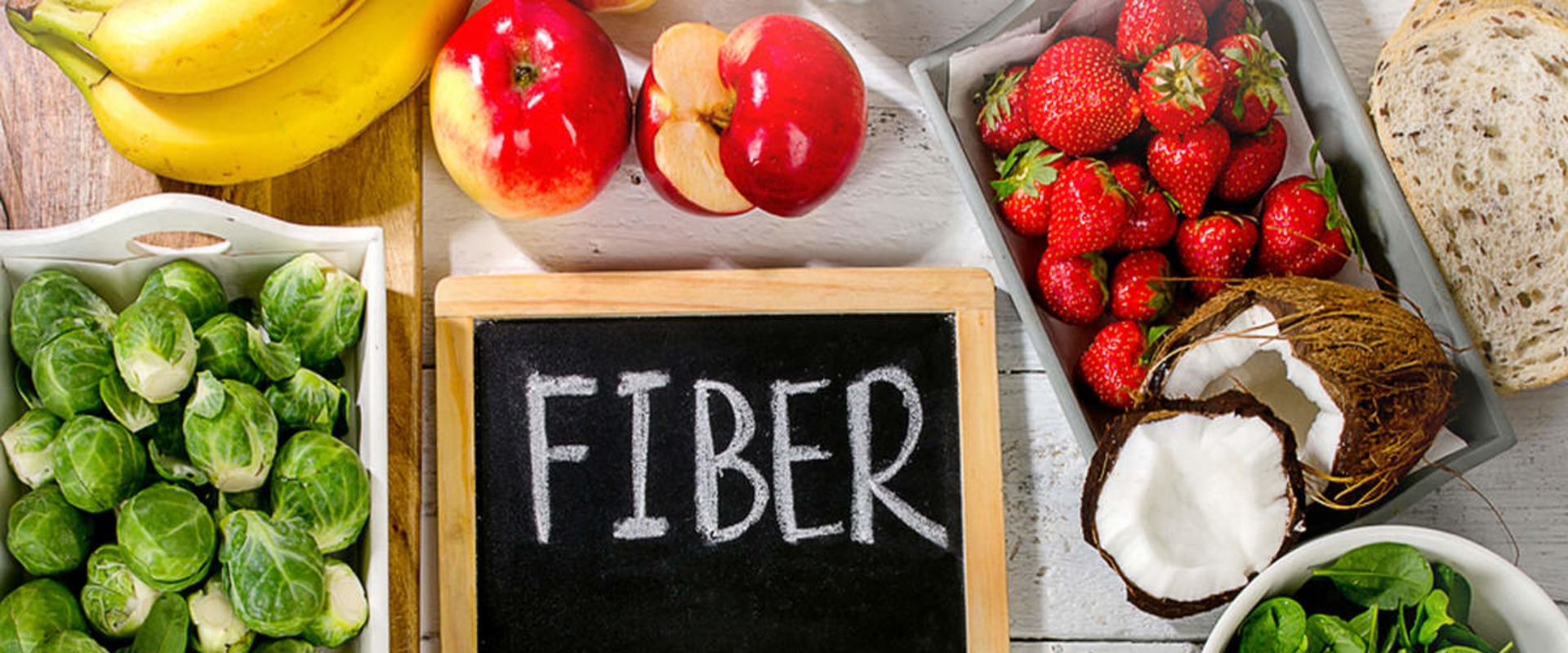
Incorporating a variety of fiber-rich foods into your meals can help you meet your daily fiber intake goals, which should be around 25 to 30 grams for most adults. Here are some excellent sources of dietary fiber:
- Fruits: Apples, pears, berries, bananas, and oranges are not only delicious but also packed with fiber.
- Vegetables: Leafy greens like spinach and kale, as well as cruciferous vegetables like broccoli and Brussels sprouts, are great options.
- Whole Grains: Oats, quinoa, brown rice, and whole wheat products provide substantial amounts of fiber.
- Legumes: Beans, lentils, and chickpeas are excellent sources of both protein and fiber.
- Nuts and Seeds: Almonds, chia seeds, flaxseeds, and walnuts not only add crunch but also boost your fiber intake.
The Importance of Protein in Weight Loss
When it comes to weight loss, protein plays a crucial role that extends beyond merely filling you up. It is a vital macronutrient that not only aids in muscle preservation but also enhances your metabolism, making it an essential component of any effective weight loss strategy.Benefits of Protein in Weight Loss
- Muscle Preservation: During weight loss, the body can lose both fat and muscle.
Consuming adequate protein helps to preserve lean muscle mass, which is important because muscle tissue burns more calories at rest compared to fat tissue. This means that maintaining muscle can help keep your metabolism elevated.
- Increased Satiety: Protein is known for its satiating properties. Foods high in protein can help you feel fuller for longer periods, reducing the likelihood of overeating or snacking on unhealthy options. This can be particularly beneficial when trying to create a caloric deficit for weight loss.
- Thermic Effect of Food (TEF): The body expends energy to digest and metabolize food, and protein has a higher thermic effect compared to fats and carbohydrates.
This means that consuming protein-rich foods can increase your calorie expenditure, further aiding in weight loss.
- Blood Sugar Regulation: Protein can help stabilize blood sugar levels by slowing down the absorption of glucose into the bloodstream. This can prevent spikes and crashes in energy levels, which often lead to cravings and overeating.
Protein-Rich Foods to Include in Your Diet
Incorporating a variety of protein-rich foods into your meals can help you meet your daily protein needs while also supporting your weight loss goals. Here are some excellent sources:
- Lean Meats: Chicken breast, turkey, and lean cuts of beef are great options.
- Fish: Salmon, tuna, and other fatty fish are not only high in protein but also provide healthy omega-3 fatty acids.
- Dairy Products: Greek yogurt, cottage cheese, and low-fat cheese offer both protein and calcium.
- Nuts and Seeds: Almonds, walnuts, chia seeds, and flaxseeds are excellent plant-based sources of protein.
- Legumes: Beans, lentils, and chickpeas are not only rich in protein but also high in fiber.
- Plant-Based Proteins: Tofu and tempeh are great alternatives for those following a vegetarian or vegan diet.
Best Protein-Rich Foods for Effective Weight Loss
When it comes to weight loss, incorporating protein-rich foods into your diet is crucial.Not only do these foods help you feel satiated, but they also play a significant role in muscle maintenance and fat loss. Here are some of the best sources of protein that you can easily add to your meals:
- Lean Meats: Chicken breast, turkey, and lean cuts of beef are excellent sources of protein. They are low in fat and can be grilled, baked, or stir-fried for a healthy meal.
- Fish: Fatty fish like salmon and tuna are not only rich in protein but also provide omega-3 fatty acids, which are beneficial for heart health. Aim to include fish in your diet at least twice a week.
- Dairy Products: Greek yogurt, cottage cheese, and low-fat cheese are great options for adding protein.
They can be consumed as snacks or incorporated into meals, such as adding yogurt to smoothies or using cottage cheese in salads.
- Legumes: Beans, lentils, and chickpeas are fantastic plant-based protein sources. They are also high in fiber, making them perfect for weight loss. Consider adding them to soups, stews, or salads for a nutritious boost.
- Nuts and Seeds: Almonds, walnuts, chia seeds, and flaxseeds provide healthy fats along with protein. They can be sprinkled on salads or blended into smoothies for added texture and nutrition.
- Eggs: Eggs are a versatile protein source that can be prepared in various ways—boiled, scrambled, or poached.
They are also rich in essential nutrients and can help keep you full longer.
- Plant-Based Proteins: Tofu and tempeh are excellent alternatives for those following a vegetarian or vegan diet. They can be marinated and grilled or added to stir-fries for a satisfying meal.
- Start Your Day with Protein: Include eggs or Greek yogurt in your breakfast to kickstart your metabolism.
- Add Protein to Salads: Top your salads with grilled chicken, chickpeas, or nuts to enhance their nutritional value.
- Snack Wisely: Choose snacks like cottage cheese with fruit or a handful of nuts instead of processed options.
- Experiment with Recipes: Try new recipes that feature high-protein ingredients, such as quinoa bowls with black beans or stir-fried tofu with vegetables.
Combining Fiber and Protein for Maximum Effectiveness
Combining fiber and protein in your meals can significantly enhance your weight loss efforts, particularly when it comes to reducing belly fat. The synergistic effects of these two nutrients not only promote satiety but also help regulate blood sugar levels, making it easier to manage cravings and maintain a healthy diet.When you consume fiber-rich foods alongside protein, the combination works to slow down digestion. This means that your body takes longer to break down the food, leading to a prolonged feeling of fullness.As a result, you are less likely to reach for unhealthy snacks between meals. Additionally, this combination can help stabilize insulin levels, which is crucial for preventing fat storage around the abdomen.Here are some benefits of combining fiber and protein in your meals:
- Enhanced Satiety: Meals that include both fiber and protein can keep you feeling satisfied for longer periods, reducing the likelihood of overeating.
- Improved Digestion: Fiber aids in digestion and promotes gut health, while protein supports muscle repair and growth.
- Balanced Blood Sugar Levels: This combination helps prevent spikes in blood sugar, which can lead to cravings and increased hunger.
- Nutrient Density: Foods high in both fiber and protein are often rich in vitamins and minerals, contributing to overall health.
- Breakfast: Start your day with a smoothie made from spinach (fiber), Greek yogurt (protein), and a tablespoon of chia seeds (fiber and protein).
- Lunch: Prepare a quinoa salad with black beans (fiber and protein), diced bell peppers, and a lemon-tahini dressing.
- Dinner: Grill chicken breast (protein) served with steamed broccoli (fiber) and a side of brown rice (fiber).
- Snacks: Enjoy apple slices (fiber) with almond butter (protein) or a handful of mixed nuts (fiber and protein).
Practical Tips for Increasing Fiber and Protein Intake
Incorporating more fiber and protein into your diet can be a game-changer for weight loss, but it doesn't have to feel like a chore. Here are some practical tips to help you boost your intake of these essential nutrients without sacrificing flavor or enjoyment.1.Start Your Day with a Fiber-Rich Breakfast
Kick off your morning with a breakfast that packs a fiber punch.Consider options like:
- Oatmeal: Choose whole oats and top with fruits like berries or bananas for added fiber.
- Chia Seed Pudding: Mix chia seeds with almond milk and let it sit overnight. Add nuts or fruits in the morning.
- Smoothies: Blend leafy greens, fruits, and a scoop of protein powder for a nutritious start.
2.Snack Smart
Replace processed snacks with fiber and protein-rich alternatives. Some great options include:- Nuts and Seeds: Almonds, walnuts, and pumpkin seeds are excellent sources of both protein and healthy fats.
- Greek Yogurt: Opt for plain Greek yogurt topped with fruits or a sprinkle of granola for added crunch.
- Vegetable Sticks with Hummus: Carrots, celery, and bell peppers dipped in hummus provide fiber and protein.
3.Make Smart Substitutions
When cooking or preparing meals, consider these substitutions to increase fiber and protein:- Whole Grains: Swap white rice or pasta for quinoa, brown rice, or whole grain pasta.
- Add Legumes: Incorporate beans or lentils into soups, salads, or casseroles for an extra boost of protein and fiber.
- Use Nut Butters: Spread almond or peanut butter on whole-grain toast instead of regular butter.
4.Plan Your Meals
Meal planning can help ensure you include plenty of fiber and protein in your diet. Consider these tips:- Create Balanced Plates: Aim for half your plate to be filled with vegetables, a quarter with lean protein, and a quarter with whole grains.
- Prep Ahead: Prepare meals in advance to avoid reaching for unhealthy options when you're hungry.
- Diverse Diet: Include a variety of foods to keep meals interesting and ensure you get a range of nutrients.
Remember, small changes can lead to significant results over time!
Common Myths About Fiber and Protein in Weight Loss
When it comes to weight loss, there are numerous myths surrounding the roles of fiber and protein in our diets. Understanding these misconceptions is crucial for anyone looking to shed belly fat effectively. Here, we will debunk some of the most common myths related to fiber and protein consumption.- Myth 1: All fiber is the same. Many people believe that all sources of fiber provide the same benefits. However, there are two types of fiber: soluble and insoluble.
Soluble fiber, found in foods like oats and beans, helps to lower cholesterol and stabilize blood sugar levels, while insoluble fiber, found in whole grains and vegetables, aids in digestion. Both types are essential for a balanced diet and contribute differently to weight loss.
- Myth 2: Eating more protein means you can eat anything else. While protein is vital for muscle growth and satiety, it does not give you a free pass to indulge in unhealthy foods. A balanced diet that includes healthy fats and carbohydrates is necessary for overall health and effective weight management.
- Myth 3: High-protein diets are harmful. Some people fear that consuming high amounts of protein can lead to kidney damage or other health issues. However, for healthy individuals, a high-protein diet can be safe and beneficial when combined with adequate hydration and a balanced intake of other nutrients.
- Myth 4: Fiber will make you gain weight. This misconception arises from the idea that fiber-rich foods are often higher in calories.
In reality, fiber helps you feel full longer, which can lead to reduced overall caloric intake. Incorporating more fiber into your diet can actually support your weight loss efforts.
- Myth 5: You can’t get enough protein from plant sources. Many believe that animal products are the only viable sources of protein. In fact, numerous plant-based foods such as lentils, chickpeas, quinoa, and nuts provide ample protein. These options can be just as effective for muscle maintenance and satiety as their animal-based counterparts.
Understanding the true roles of these nutrients not only aids in effective weight loss but also promotes overall health and well-being.
Conclusion: Embracing a Fiber and Protein-Rich Diet for Lasting Weight Loss Success
In conclusion, adopting a diet rich in fiber and protein is a powerful strategy for achieving lasting weight loss, particularly when it comes to reducing stubborn belly fat. Throughout this article, we have explored the numerous benefits of incorporating these essential nutrients into your daily meals.Fiber
plays a crucial role in promoting digestive health and enhancing satiety. By consuming a variety of fiber-rich foods such as fruits, vegetables, whole grains, legumes, nuts, and seeds, you not only meet your daily fiber intake goals but also provide your body with vital vitamins and minerals. This nutrient density helps to keep you feeling full longer, which can significantly reduce the likelihood of overeating and snacking on unhealthy options.On the other hand, protein is equally important for weight loss.
It aids in muscle development and repair, which is essential for maintaining a healthy metabolism. Including sources of lean protein such as chicken, fish, eggs, dairy products, and plant-based options like beans and tofu can help you feel satisfied after meals. This satisfaction can lead to lower overall caloric intake while still providing your body with the energy it needs to function optimally.Moreover, balancing your diet with both fiber and protein can create a synergistic effect that enhances weight loss efforts. When combined with healthy fats and complex carbohydrates, these nutrients work together to stabilize blood sugar levels and curb cravings.As you embark on your journey towards weight loss, remember that consistency is key.
Aim to incorporate a diverse range of fiber and protein-rich foods into your meals each day. This not only supports your weight loss goals but also contributes to overall health and well-being.Ultimately, embracing a fiber and protein-rich diet is not just about losing belly fat; it’s about fostering a sustainable lifestyle that prioritizes nutrition and health. By making informed food choices and focusing on whole, unprocessed foods, you can achieve lasting success in your weight loss journey.