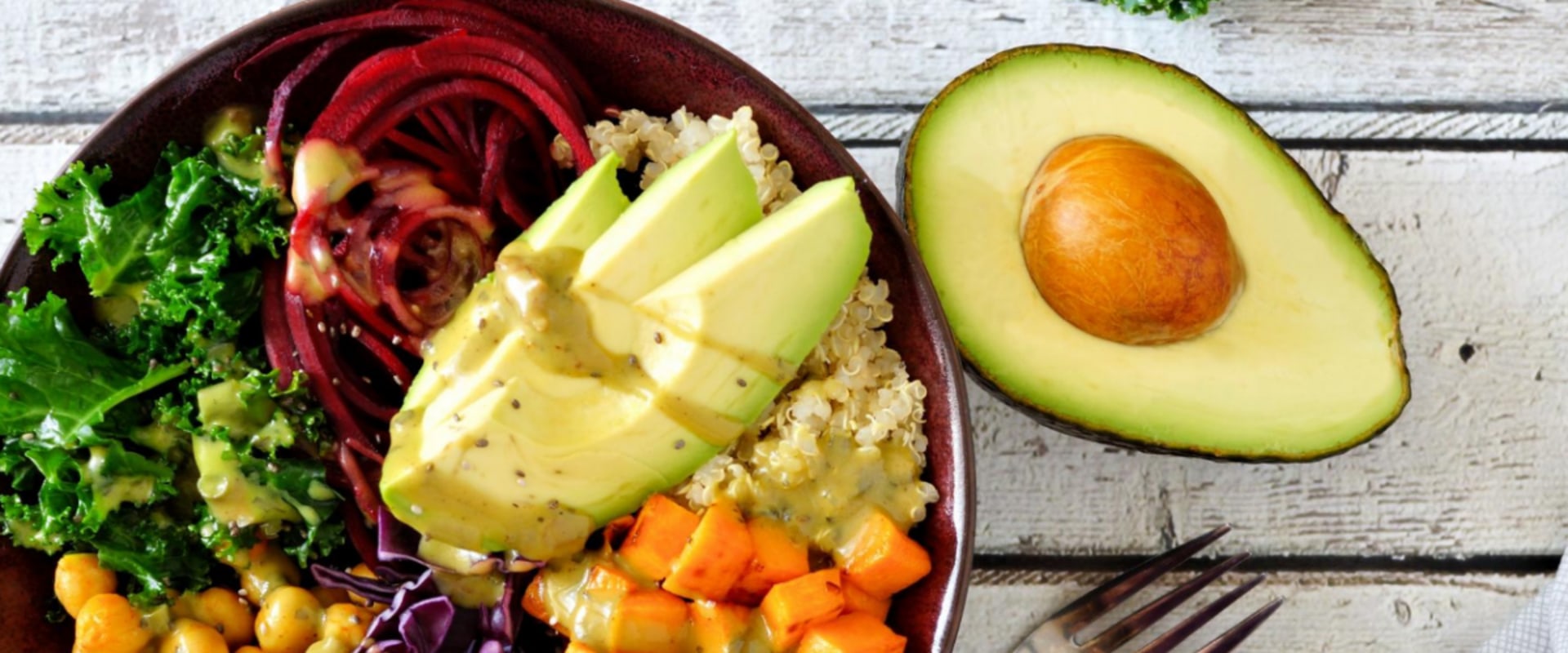
Meal planning is a strategic approach to organizing meals in advance, and it plays a pivotal role in achieving weight loss goals. By taking the time to plan your meals, you can make informed choices about what you eat, ensuring that your diet is balanced and aligned with your health objectives. This structured method not only helps in managing portion sizes but also reduces the likelihood of impulsive eating, which can derail your progress. When you have a clear plan, you are more likely to stick to healthier options and avoid the temptation of fast food or unhealthy snacks.Understanding the importance of meal planning goes beyond just weight loss; it encompasses overall well-being.
A well-thought-out meal plan allows you to incorporate a variety of nutrients into your diet, which is essential for maintaining energy levels and supporting bodily functions. It encourages the consumption of whole foods, such as fruits, vegetables, lean proteins, and whole grains, while minimizing processed foods high in sugars and unhealthy fats. This not only aids in weight management but also promotes long-term health benefits.Moreover, meal planning can save both time and money. By preparing a shopping list based on your planned meals, you can avoid unnecessary purchases and reduce food waste.
This efficiency means that you can spend less time in the kitchen and more time enjoying your meals or engaging in physical activities that support your weight loss journey. In essence, meal planning is not just a tool for losing weight; it is a lifestyle choice that fosters healthier eating habits and empowers individuals to take control of their dietary choices.
The Basics of Meal Planning
Meal planning is a vital skill that can significantly enhance your journey towards weight loss and overall health. Understanding the basics of meal planning is essential for anyone looking to create a sustainable and effective approach to their diet. Here are the fundamental steps involved in meal planning:- Set Clear Goals: Before you begin, it’s crucial to define your objectives.
Are you aiming for weight loss, muscle gain, or simply healthier eating habits? Setting specific, measurable, achievable, relevant, and time-bound (SMART) goals will provide direction and motivation throughout your meal planning journey.
- Assess Your Nutritional Needs: Understanding your body’s nutritional requirements is key to creating a balanced meal plan. Factors such as age, gender, activity level, and health conditions play a significant role in determining your daily caloric intake and macronutrient distribution. Consider consulting with a registered dietitian or using reputable online resources to help you identify your specific needs.
- Create a Balanced Meal Plan: A well-rounded meal plan should include a variety of foods from all food groups. Aim for a balance of carbohydrates, proteins, and healthy fats.
Incorporate plenty of fruits and vegetables to ensure you’re getting essential vitamins and minerals. A sample day might include:
- Breakfast: Oatmeal topped with fresh berries and a sprinkle of nuts.
- Lunch: Grilled chicken salad with mixed greens, cherry tomatoes, and a vinaigrette dressing.
- Dinner: Baked salmon with quinoa and steamed broccoli.
- Snacks: Greek yogurt with honey or carrot sticks with hummus.
Plan Ahead:
Once you have your meals outlined, it’s time to plan ahead. Designate a specific day each week for meal prep. This could involve cooking larger batches of food that can be stored in the refrigerator or freezer for later use.
Having meals ready to go can help you avoid unhealthy last-minute choices.
Stay Flexible:
While having a plan is important, it’s equally essential to remain flexible. Life can be unpredictable, so be prepared to adjust your meal plan as needed. If you find yourself craving something different or if plans change unexpectedly, don’t hesitate to swap out meals or ingredients while still adhering to your overall goals.By mastering these basic steps of meal planning, you’ll be well on your way to achieving your weight loss goals while enjoying the process of preparing nutritious meals.
Meal Planning Resources: Where to Start
When embarking on a weight loss journey, having the right meal planning resources at your disposal can make all the difference. These resources not only simplify the process of planning meals but also ensure that you stay on track with your dietary goals.Here’s a comprehensive overview of some of the best tools and platforms available to help you streamline your meal planning.
Meal Planning Websites
There are numerous websites dedicated to meal planning that cater to various dietary preferences and restrictions. Here are a few notable ones:- Eat This Much: This website allows you to create personalized meal plans based on your calorie goals and dietary preferences. You can specify whether you want vegetarian, vegan, or low-carb options, making it a versatile choice for anyone looking to lose weight.
- MyFitnessPal: While primarily known as a calorie tracking app, MyFitnessPal also offers meal planning features. Users can log their meals, track their nutritional intake, and find recipes that fit their dietary needs.
- Yummly: Yummly is a recipe aggregator that allows users to search for recipes based on ingredients they have at home.
It also provides personalized recommendations based on your taste preferences.
Mobile Apps for Meal Planning
In today’s digital age, mobile apps have become indispensable tools for meal planning. Here are some of the best apps that can assist you:- Plan to Eat: This app allows you to import recipes from various websites and create meal plans easily. You can generate shopping lists based on your planned meals, making grocery shopping more efficient.
- Paprika: Paprika is a powerful recipe manager that helps you organize your recipes, create meal plans, and generate grocery lists. Its user-friendly interface makes it easy to navigate and use.
- Whisk: Whisk not only helps with meal planning but also allows you to save recipes from any website.
It can create shopping lists and even sync with grocery delivery services.
Cookbooks and Recipe Books
If you prefer a more traditional approach, cookbooks can be an excellent resource for meal planning. Look for books that focus on healthy eating or specific diets like Mediterranean or Paleo. Some popular titles include:- The Complete Mediterranean Cookbook: This book offers a variety of healthy recipes that are not only delicious but also promote weight loss.
- The Whole30: The 30-Day Guide to Total Health and Food Freedom: This book provides a structured meal plan along with recipes designed to reset your eating habits.
Recipe Books and Websites: Finding Healthy Meals
When embarking on a weight loss journey, having access to healthy recipes is crucial.Recipe books and websites serve as invaluable resources, offering a plethora of options tailored to various dietary preferences and nutritional goals. Here’s how to navigate these resources effectively.
Choosing the Right Recipe Books
- Focus on Your Dietary Needs: Select books that cater to your specific dietary requirements, whether you are looking for low-carb, vegetarian, or gluten-free options. Popular titles like "The Complete Mediterranean Cookbook" or "Thug Kitchen: The Official Cookbook" provide diverse recipes that align with health-conscious eating.
- Look for Meal Plans: Some recipe books include structured meal plans that can simplify your weight loss efforts. These plans often outline weekly menus and shopping lists, making it easier to stay organized.
- Check for Nutritional Information: Opt for books that provide detailed nutritional information for each recipe.
This will help you track your calorie intake and ensure you are meeting your dietary goals.
Exploring Meal Planning Websites
- Utilize Search Filters: Websites like EatingWell and AllRecipes allow you to filter recipes based on dietary restrictions, cooking time, and ingredients. This feature can save you time and help you find meals that fit your lifestyle.
- Join Online Communities: Many meal planning websites have forums or community sections where users share their experiences and tips. Engaging with these communities can provide motivation and new ideas for your meal planning.
- Follow Nutrition Experts: Websites run by registered dietitians or nutritionists often offer scientifically-backed recipes and meal plans. Following these experts can enhance your understanding of healthy eating.
Incorporating Variety into Your Meal Plan
Diversity in your meals is essential for maintaining interest in your diet.
By exploring different recipe books and websites, you can discover new ingredients and cooking techniques that keep your meals exciting. Consider trying out international cuisines that emphasize fresh vegetables, lean proteins, and whole grains.In conclusion, leveraging the right recipe books and meal planning websites can significantly enhance your weight loss journey. By selecting resources that align with your dietary preferences and nutritional goals, you can create a sustainable meal plan that not only supports weight loss but also promotes overall health.
Meal Delivery Services: Convenience Meets Nutrition
In recent years, meal delivery services have surged in popularity, offering a convenient solution for those looking to maintain a healthy diet while managing their busy lifestyles. These services provide pre-portioned ingredients and easy-to-follow recipes, making it simpler than ever to prepare nutritious meals at home.For individuals focused on weight loss, meal delivery services can be particularly beneficial, as they often cater to specific dietary needs and preferences.
Benefits of Meal Delivery Services for Weight Loss
- Portion Control: One of the primary advantages of meal delivery services is the precise portioning of ingredients. This helps prevent overeating and allows individuals to stick to their caloric goals more effectively.
- Balanced Nutrition: Many meal delivery services are designed with nutritionists to ensure that meals are balanced and include the right mix of macronutrients—proteins, fats, and carbohydrates. This is crucial for anyone aiming to lose weight while still receiving adequate nutrition.
- Time-Saving: With pre-prepared ingredients and recipes, meal delivery services save time on grocery shopping and meal prep. This convenience can reduce the temptation to opt for unhealthy fast food or takeout when time is tight.
- Diverse Options: These services often offer a variety of meal plans tailored to different dietary preferences, such as vegetarian, keto, or gluten-free.
This variety can keep meals exciting and prevent the monotony that often leads to diet fatigue.
Considerations When Choosing a Meal Delivery Service
While there are numerous benefits, it’s essential to consider some potential drawbacks:
- Cost: Meal delivery services can be more expensive than traditional grocery shopping. It’s important to evaluate your budget and determine if the convenience justifies the cost.
- Limited Customization: Although many services offer various meal plans, some may not fully accommodate specific dietary restrictions or preferences. Always check if the service can meet your unique needs.
- Sustainability: The packaging used in meal delivery can contribute to waste. Look for companies that prioritize eco-friendly practices if this is a concern for you.
By carefully selecting a service that aligns with your dietary goals and budget, you can enjoy the benefits of healthy eating while simplifying your meal preparation process.
Creating Effective Grocery Lists for Meal Planning
Creating a grocery list is a fundamental step in the meal planning process, especially for those focused on weight loss. A well-structured grocery list not only helps you stay organized but also minimizes the chances of impulse purchases that can derail your dietary goals. Here are some effective strategies for crafting a grocery list that aligns with your meal planning needs.1.Start with Your Meal Plan
- Before heading to the store, review your meal plan for the week. Identify all the meals you intend to prepare and list out the ingredients required for each dish.
- Consider portion sizes and how many servings you need to avoid overbuying or wasting food.
2.Categorize Your List
- Organize your grocery list by categories such as produce, dairy, grains, proteins, and pantry staples.
This will streamline your shopping experience and help you navigate the store more efficiently.
- Grouping items together reduces the time spent in-store and minimizes the likelihood of forgetting essential ingredients.
3.Use Technology to Your Advantage
- Consider using grocery list apps that allow you to create, edit, and share lists easily. Many apps also provide features like barcode scanning and recipe integration, making it easier to keep track of what you need.
- Some apps even allow you to categorize items automatically based on store layout, which can save time during your shopping trip.
4.Stick to Your List
- When shopping, make a conscious effort to stick to your grocery list. Avoid aisles that do not contain items on your list to reduce temptation.
- If you find yourself tempted by unplanned purchases, remind yourself of your weight loss goals and how these items may impact your progress.
5.Review and Adjust Regularly
- After each shopping trip, take a moment to review what worked well and what didn’t. Adjust your grocery list strategy accordingly for future trips.
- If certain items frequently go unused or spoil before you can use them, consider modifying your meal plan or purchasing smaller quantities next time.
A thoughtful approach not only ensures that you have all necessary ingredients on hand but also supports your journey towards achieving weight loss goals while maintaining a healthy lifestyle.
Utilizing Apps for Meal Planning Success
In today's digital age, utilizing apps for meal planning can significantly streamline your journey towards weight loss. These applications not only simplify the process of planning meals but also provide valuable features that enhance your overall experience. Below, we explore some of the best meal planning apps available, focusing on their unique functionalities and how they can assist you in achieving your weight loss goals.1.Recipe Suggestions
Many meal planning apps come equipped with extensive databases of recipes tailored to various dietary preferences and restrictions. Whether you're following a low-carb, vegan, or gluten-free diet, these apps can suggest meals that align with your nutritional needs.
For instance, apps like Yummly and Mealime allow users to input their dietary preferences and generate personalized meal plans complete with recipes that are easy to follow.
2.Shopping List Creation
Another essential feature of meal planning apps is the ability to create shopping lists based on your selected recipes. This functionality helps ensure that you purchase all necessary ingredients while minimizing food waste. Apps such as Paprika and Plan to Eat allow users to automatically generate grocery lists from their meal plans, making shopping more efficient and organized.
3.Progress Tracking
Tracking your meals and progress is crucial for successful weight loss. Many apps offer built-in tracking features that allow you to log your daily food intake, monitor calorie consumption, and even track macronutrients.
Apps like MyFitnessPal not only help you keep a record of what you eat but also provide insights into your eating habits over time, enabling you to make informed adjustments as needed.
4.Community Support
Some meal planning apps also foster a sense of community among users. Platforms like Noom offer forums where individuals can share tips, recipes, and encouragement with one another. This social aspect can be incredibly motivating, especially when embarking on a weight loss journey.
5.Integration with Fitness Trackers
A significant advantage of many modern meal planning apps is their ability to integrate with fitness trackers and health apps. This integration allows for a comprehensive view of your health by combining dietary data with physical activity metrics.
Apps like Lifesum sync with devices such as Fitbit or Apple Watch, providing a holistic approach to weight management.In conclusion, leveraging the right meal planning app can be a game-changer in your weight loss journey. By utilizing features such as recipe suggestions, shopping list creation, progress tracking, community support, and integration with fitness trackers, you can enhance your meal planning experience and stay committed to your health goals.
Budgeting for Ingredients: Making Meal Planning Affordable
When it comes to meal planning, budgeting for groceries is a crucial component that can significantly impact your overall success. By implementing effective strategies, you can enjoy nutritious meals without breaking the bank. Here are some practical tips to help you manage your grocery budget while still eating healthily.- Plan Your Meals: Start by creating a weekly meal plan that outlines what you intend to cook.
This not only helps in organizing your shopping list but also minimizes impulse purchases. Consider using a template or an app to streamline this process.
- Make a Grocery List: Once your meal plan is set, compile a detailed grocery list based on the ingredients needed. Stick to this list while shopping to avoid unnecessary expenses and ensure you have everything required for your meals.
- Shop Sales and Use Coupons: Keep an eye on weekly sales and promotions at your local grocery stores. Utilizing coupons can also lead to significant savings. Keep an eye on weekly sales and promotions at your local grocery stores. Utilizing coupons can also lead to significant savings.
Many stores offer loyalty programs that provide discounts or rewards for frequent shoppers.
- Buy in Bulk: Purchasing non-perishable items in bulk can save you money in the long run. Items like grains, canned goods, and frozen vegetables often come at a lower price per unit when bought in larger quantities.
- Choose Store Brands: Opt for store-brand products instead of name brands. They often have similar quality but at a fraction of the cost, allowing you to save money without sacrificing nutrition.
- Embrace Seasonal Produce: Fruits and vegetables that are in season are typically less expensive and taste better. Visit local farmers' markets or check grocery store ads for seasonal produce deals.
- Reduce Food Waste: Be mindful of portion sizes and use leftovers creatively.
Incorporate them into new meals or freeze them for later use. This not only saves money but also helps reduce waste.
- Grow Your Own Herbs and Vegetables: If you have the space, consider starting a small garden. Growing your own herbs or vegetables can significantly cut down on grocery costs while providing fresh ingredients for your meals.
Making Meal Planning Enjoyable: Tips and Tricks
Meal planning can often feel like a tedious task, but it doesn’t have to be! By incorporating creativity and fun into the process, you can transform meal planning from a chore into an enjoyable experience.Here are some tips and tricks to make your meal planning more exciting:
Experiment with New Recipes
One of the best ways to keep meal planning fresh is to regularly try out new recipes. Here are some ideas:- Cookbook Exploration: Dust off those cookbooks gathering dust on your shelf. Choose a different cuisine each week to explore, such as Thai, Mediterranean, or Mexican.
- Online Recipe Platforms: Websites like Pinterest or food blogs are treasure troves of innovative recipes. Search for seasonal ingredients or trending dishes to inspire your next meal.
- Family Favorites: Ask family members for their favorite recipes and incorporate them into your meal plan.
This not only adds variety but also creates a sense of togetherness.
Incorporate Seasonal Ingredients
Using seasonal ingredients can enhance the flavor of your meals and make cooking more enjoyable. Visit local farmers' markets or grocery stores to find fresh produce that’s in season. Not only will this support local farmers, but it will also inspire you to create dishes that highlight these ingredients.Get Creative with Presentation
The way you present your meals can significantly impact your enjoyment of them. Here are some tips:- Colorful Plates: Use vibrant plates and bowls to make your meals visually appealing.
A colorful dish can make even simple ingredients look gourmet.
- Garnishing: Add fresh herbs, lemon slices, or edible flowers as garnishes. This small touch can elevate the overall dining experience.
- Themed Dinners: Create themed dinner nights, such as "Taco Tuesday" or "Pasta Night," where you can experiment with different toppings and sauces.
Make It a Social Activity
Cooking doesn’t have to be a solo endeavor. Invite friends or family members to join you in the kitchen. You can:- Host Cooking Parties: Gather friends for a cooking night where everyone brings an ingredient and collaborates on a meal.
- Share Meal Prep Duties: Team up with a friend for meal prep sessions.
This not only makes the process faster but also allows for shared creativity.
<strong>Conclusion</strong>: Key Takeaways on Meal Planning for Weight Loss
As we conclude our exploration of meal planning resources for weight loss, it’s essential to reflect on the key takeaways that can empower you on your journey. Effective meal planning is not just about choosing what to eat; it’s a comprehensive strategy that can significantly influence your weight loss success.Meal Planning Summary
- Meal planning allows you to take control of your diet by ensuring you have healthy options readily available.
- By preparing meals in advance, you can avoid impulsive eating and make more mindful choices that align with your weight loss goals.
- Utilizing various resources such as recipe books, websites, and meal delivery services can provide inspiration and simplify the planning process.
- Creating a grocery list is crucial for staying organized and budget-conscious, helping you avoid unnecessary purchases.
Weight Loss Strategies
- Incorporating a variety of foods into your meal plan not only keeps meals exciting but also ensures you receive a balanced intake of nutrients.
- Experimenting with new recipes and cooking techniques can enhance your culinary skills while making healthy eating enjoyable.
- Tracking your progress through apps or journals can help maintain motivation and accountability as you work towards your weight loss objectives.
Final Thoughts on Meal Planning
Meal planning is a powerful tool that can transform your approach to eating and health. By taking actionable steps based on the resources discussed, you can create a sustainable meal plan that supports your weight loss journey.
Remember, the goal is not just to lose weight but to foster a healthier relationship with food. Embrace the process, stay flexible, and allow yourself the freedom to adapt as needed. With dedication and the right strategies in place, achieving your weight loss goals is within reach.