Pilates is more than just a fitness trend; it is a comprehensive exercise system that emphasizes core strength, flexibility, and overall body awareness. Developed by Joseph Pilates in the early 20th century, this method has gained popularity for its ability to enhance physical fitness while promoting mental well-being. For those on a journey toward weight loss, Pilates offers a unique approach that can complement traditional workout routines and dietary changes, especially when combined with tools like resistance bands. If you're looking to enhance your Pilates practice, you might want to buy training resistance bands to further challenge your muscles.One of the key aspects of Pilates is its focus on controlled movements and proper alignment. Pilates is more than just a fitness trend; it is a comprehensive exercise system that emphasizes core strength, flexibility, and overall body awareness. Developed by Joseph Pilates in the early 20th century, this method has gained popularity for its ability to enhance physical fitness while promoting mental well-being. For those on a journey toward weight loss, Pilates offers a unique approach that can complement traditional workout routines and dietary changes, especially when combined with tools like resistance bands. If you're looking to enhance your Pilates practice, you might want to buy training resistance bands to further challenge your muscles.One of the key aspects of Pilates is its focus on controlled movements and proper alignment.
This not only helps in building strength but also in improving posture and balance, which are essential for effective weight management. Unlike high-impact workouts that may lead to injury or burnout, Pilates provides a low-impact alternative that can be sustained over time. This makes it particularly appealing for individuals who may be new to exercise or those recovering from injuries.Moreover, Pilates engages multiple muscle groups simultaneously, leading to increased calorie burn during sessions. The emphasis on core stability means that practitioners are constantly activating their abdominal muscles, which can contribute to a toned midsection—a common goal for many seeking weight loss.
Additionally, the mindful nature of Pilates encourages participants to connect with their bodies, fostering a greater awareness of movement patterns and habits that can influence overall health.Incorporating Pilates into a weight loss regimen can yield numerous benefits. Not only does it enhance physical strength and flexibility, but it also promotes mental clarity and reduces stress levels. Stress is often linked to weight gain, as it can lead to emotional eating and poor lifestyle choices. By integrating Pilates into your routine, you can create a balanced approach to fitness that supports both your physical and mental health goals.
The Science Behind Weight Loss and Exercise
Understanding the science behind weight loss is essential for anyone looking to shed pounds effectively.At its core, weight loss occurs when the body is in a state of caloric deficit , meaning it burns more calories than it consumes. This fundamental principle is crucial for any weight loss strategy, including those that incorporate Pilates.When you engage in physical activity, your body requires energy, which it derives from the calories you consume through food and drink. The number of calories burned during exercise varies based on several factors, including:
- Type of Exercise: Different exercises burn calories at different rates. For instance, high-intensity workouts typically burn more calories than low-intensity activities.
- Duration: The longer you exercise, the more calories you will burn.
Consistency and duration are key components in maximizing caloric expenditure.
- Body Composition: Individuals with more muscle mass tend to burn more calories at rest compared to those with a higher percentage of body fat.
- Metabolic Rate: Each person has a unique metabolic rate, which influences how efficiently they burn calories.
- Basal Metabolic Rate (BMR): This is the number of calories your body needs to maintain basic physiological functions while at rest, such as breathing and circulation.
- Active Metabolism: This includes the calories burned during physical activities, including exercise and daily movements.
By incorporating Pilates into a well-rounded exercise regimen, you can effectively support your weight loss goals while also improving your overall health and well-being.
How Pilates Works: Core Principles and Techniques
Pilates is a unique exercise method that emphasizes the importance of core strength, flexibility, and body alignment. These core principles not only enhance physical fitness but also play a significant role in achieving weight loss goals.Core Strength
is the foundation of Pilates. The core comprises the muscles in your abdomen, lower back, hips, and pelvis. By focusing on strengthening these muscles, Pilates helps improve overall stability and balance.
A strong core is essential for performing daily activities efficiently and can significantly reduce the risk of injury. Moreover, engaging the core during Pilates exercises increases calorie burn, contributing to weight loss. Exercises like the Plank and the Teaser specifically target these muscles, promoting endurance and strength.
Flexibility
is another critical aspect of Pilates. Many Pilates moves involve stretching and lengthening muscles, which enhances overall flexibility.
Improved flexibility not only aids in better performance of physical activities but also helps prevent injuries. As you become more flexible, your body can move more freely, allowing for greater range of motion in joints. This increased mobility can lead to more effective workouts and higher calorie expenditure, further supporting weight loss.
Body Alignment
is a fundamental principle in Pilates that focuses on maintaining proper posture throughout each movement. Proper alignment ensures that the body functions optimally and reduces strain on muscles and joints.
By learning to align your body correctly, you can enhance your overall physical performance and efficiency during workouts. This principle also plays a crucial role in weight loss, as correct alignment allows for more effective engagement of muscle groups during exercises, leading to better results.In summary, the principles of core strength, flexibility, and body alignment are integral to the effectiveness of Pilates. By incorporating these elements into your routine, you not only improve your fitness levels but also create a solid foundation for achieving your weight loss goals. Whether you are a beginner or an advanced practitioner, understanding these principles will enhance your Pilates experience and contribute to long-term health benefits.
Intermediate and Advanced Pilates Moves for Enhanced Weight Loss
As you progress in your Pilates journey, incorporating intermediate and advanced Pilates moves can significantly enhance your weight loss efforts.These exercises not only challenge your body but also engage multiple muscle groups, leading to increased calorie burn and improved overall fitness. Below are some effective moves that can help accelerate your weight loss while building strength and flexibility.
The Roll Up
The Roll Up is a classic Pilates move that targets the abdominal muscles while promoting spinal flexibility. To perform this exercise:- Start by lying flat on your back with your legs extended straight and arms reaching overhead.
- Inhale deeply, then exhale as you engage your core and slowly roll up to a sitting position, reaching for your toes.
- Inhale again as you roll back down, vertebra by vertebra, returning to the starting position.
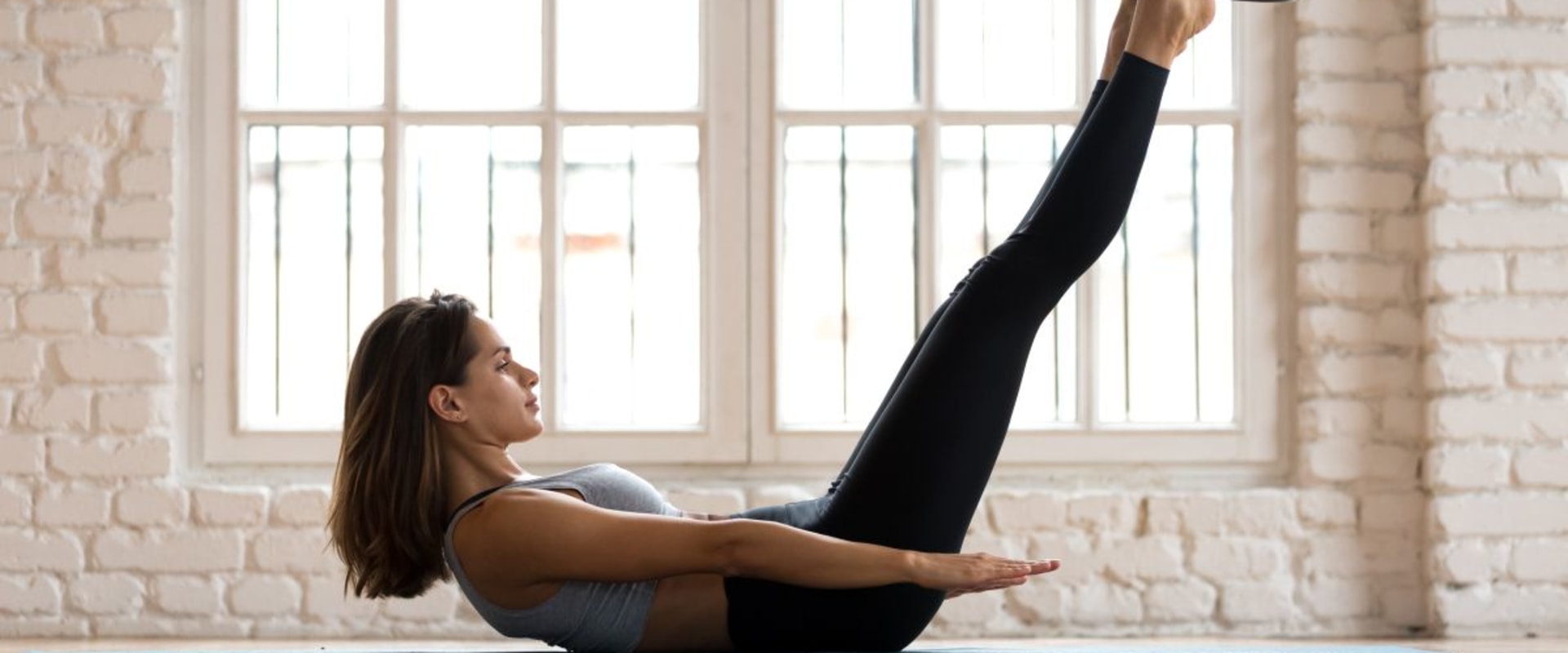
The Teaser
The Teaser is an advanced move that requires balance, coordination, and core strength. It effectively engages the abdominal muscles and promotes overall body control.Here’s how to do it:
- Begin by lying on your back with your arms extended above your head and legs straight.
- Simultaneously lift your arms and legs off the ground while rolling up into a V-sit position.
- Hold for a moment before slowly lowering back down to the starting position.
The Jackknife
The Jackknife is another dynamic Pilates move that targets the core while improving balance and coordination. To execute this move:- Lie on your back with your arms extended above your head and legs straight.
- Lift both legs off the ground while simultaneously raising your arms towards them, forming a V shape with your body.
- Lower both arms and legs back down in a controlled manner.
Incorporating Pilates into Your Weight Loss Routine
Incorporating Pilates into your weight loss routine can be a transformative experience, enhancing not only your physical appearance but also your overall well-being.To maximize the benefits of Pilates for weight loss, it’s essential to create a balanced workout schedule that integrates various forms of exercise.
1.Establishing a Balanced Workout Schedule
- Frequency: Aim for at least 3-4 Pilates sessions per week. This frequency allows your body to adapt and strengthen while also providing enough recovery time.
- Duration: Each session should last between 45 to 60 minutes. This duration is sufficient to engage your core and work on flexibility and strength without leading to fatigue.
- Variety: Combine Pilates with cardiovascular exercises such as running, cycling, or swimming. These activities help burn calories and improve cardiovascular health, complementing the muscle-toning benefits of Pilates.
2.Combining Exercises for Weight Loss
To effectively lose weight, it’s crucial to combine different types of workouts.
Here’s how you can structure your week:
- Monday: Pilates focusing on core strength (e.g., The Hundred, Teaser).
- Tuesday: Cardio workout (e.g., 30 minutes of running or cycling).
- Wednesday: Pilates session targeting flexibility (e.g., Swan Dive, Rolling Like a Ball).
- Thursday: High-Intensity Interval Training (HIIT) for fat burning.
- Friday: Pilates focusing on full-body strength (e.g., Jackknife, Shoulder Bridge).
- Saturday: Active recovery day with light yoga or walking.
- Sunday: Rest day to allow your body to recover.
3.Setting Realistic Goals
When incorporating Pilates into your weight loss journey, it’s important to set achievable goals. Focus on small milestones such as improving your form in specific exercises or increasing the number of repetitions over time. Celebrate these achievements as they contribute to your overall progress.
4.Nutrition Matters
No fitness plan is complete without attention to nutrition. Pair your Pilates routine with a balanced diet rich in whole foods, lean proteins, healthy fats, and plenty of fruits and vegetables.
Staying hydrated is equally important; aim for at least 8 glasses of water daily.By thoughtfully integrating Pilates into a comprehensive fitness plan that includes various exercises and proper nutrition, you can effectively work towards your weight loss goals while enjoying the numerous benefits that Pilates has to offer.
Nutrition and Lifestyle Tips to Complement Your Pilates Practice
To maximize the benefits of your Pilates practice, it’s essential to pair it with a well-rounded approach to nutrition and lifestyle changes. This combination not only enhances your physical results but also supports your overall well-being, particularly when it comes to weight loss.Nutrition for Weight Loss
A balanced diet plays a crucial role in achieving your weight loss goals. Here are some key nutritional strategies:- Focus on Whole Foods: Incorporate plenty of fruits, vegetables, whole grains, lean proteins, and healthy fats into your meals. These foods are nutrient-dense and can help keep you full longer.
- Control Portion Sizes: Be mindful of portion sizes to avoid overeating.
Using smaller plates can help you manage portions effectively.
- Stay Hydrated: Drinking enough water is vital for overall health and can aid in weight loss. Sometimes, our bodies confuse thirst with hunger, leading to unnecessary snacking.
- Limit Processed Foods: Reduce your intake of processed foods high in sugars and unhealthy fats. These can sabotage your weight loss efforts and lead to energy crashes.
Healthy Eating Tips
In addition to focusing on whole foods, consider these healthy eating tips:- Plan Your Meals: Meal prepping can save time and help you make healthier choices throughout the week. Prepare balanced meals in advance to avoid the temptation of fast food.
- Mindful Eating: Pay attention to what you eat by savoring each bite.
This practice can help you recognize when you’re full and prevent overeating.
- Snack Wisely: Choose healthy snacks like nuts, yogurt, or fruit instead of chips or sweets. Healthy snacks can keep your energy levels stable between meals.
Lifestyle Changes for Fitness
Your lifestyle choices significantly impact your fitness journey. Here are some adjustments to consider:- Prioritize Sleep: Aim for 7-9 hours of quality sleep each night. Sleep is essential for recovery and can influence your metabolism and appetite.
- Stay Active Outside of Pilates: Incorporate physical activity into your daily routine beyond Pilates sessions.
Simple changes like walking more or taking the stairs can add up.
- Create a Supportive Environment: Surround yourself with individuals who support your fitness goals. This could be friends, family, or a community group focused on health and wellness.
Common Misconceptions About Pilates and Weight Loss
When it comes to Pilates and its role in weight loss, several misconceptions can cloud the understanding of its effectiveness. Addressing these myths is crucial for anyone considering Pilates as part of their fitness journey.- Myth 1: Pilates is only for flexibility and not for weight loss. Many people believe that Pilates primarily enhances flexibility and core strength, neglecting its potential for weight loss. While it is true that Pilates improves flexibility, it also engages multiple muscle groups, leading to increased calorie burn.
The combination of strength training and controlled movements can contribute to a leaner physique over time.
- Myth 2: You can lose weight quickly with Pilates. Another common misconception is that Pilates will lead to rapid weight loss. In reality, sustainable weight loss requires a combination of regular exercise, a balanced diet, and lifestyle changes. Pilates can be an effective part of this equation, but it should not be viewed as a quick fix.
- Myth 3: All Pilates classes are the same. The effectiveness of Pilates for weight loss can vary significantly depending on the type of class and instructor. High-intensity reformer classes may provide a more vigorous workout compared to traditional mat classes.
It’s essential to choose a class that aligns with your fitness goals and challenges you appropriately.
- Myth 4: You need to do Pilates every day to see results. While consistency is important, doing Pilates every day may not be necessary for everyone. Incorporating Pilates into a well-rounded fitness routine that includes cardiovascular exercise and strength training can yield better results without the risk of overtraining.
- Myth 5: Pilates is only for women. This stereotype persists despite the fact that many men benefit from Pilates as well. The practice enhances core strength, balance, and flexibility, making it suitable for individuals of all genders and fitness levels.
Success Stories: Real-Life Transformations Through Pilates
Many individuals have embarked on transformative journeys through Pilates, achieving remarkable weight loss and improved overall health.These success stories serve as powerful testimonials to the effectiveness of Pilates as a fitness regimen.
Sarah's Journey: From Overweight to Empowered
At 35, Sarah found herself struggling with her weight, feeling sluggish and unmotivated. After trying various diets and workout programs with little success, she discovered Pilates. Initially skeptical, she decided to give it a try after hearing about its low-impact nature and focus on core strength.Within just a few months of consistent practice, Sarah lost over 30 pounds. She credits Pilates not only for her weight loss but also for boosting her confidence and improving her posture.
"I never thought I could feel this strong and capable," she shares. "Pilates taught me to listen to my body and appreciate what it can do."
Mark's Transformation: A New Lease on Life
Mark, a 42-year-old father of two, faced health issues related to obesity, including high blood pressure and fatigue. After a doctor’s recommendation to lose weight, he turned to Pilates as a way to ease into fitness without risking injury.Through dedication and regular classes, Mark lost 50 pounds in under a year. He found that the combination of strength training and flexibility work in Pilates helped him build muscle while shedding fat.
"I feel like I have a new lease on life," he says. "Pilates has not only changed my body but also my mindset about fitness."
Jessica's Experience: Finding Balance
Jessica struggled with emotional eating and body image issues for years. After joining a local Pilates studio, she discovered that the practice offered more than just physical benefits; it provided a mental escape as well. Through mindful movement and breathing techniques, she learned to manage her stress levels.Over the course of 18 months, Jessica lost 40 pounds and gained a newfound appreciation for her body.
"Pilates helped me find balance in my life," she explains. "It’s not just about losing weight; it’s about feeling good in my skin."These stories highlight the profound impact that Pilates can have on individuals seeking weight loss and overall wellness. Each journey is unique, but they all share common themes of empowerment, resilience, and transformation through dedicated practice.
Conclusion: Embracing Pilates as a Pathway to Weight Loss Success
In conclusion, embracing Pilates as a regular part of your fitness routine can significantly contribute to your weight loss journey. Throughout this article, we have explored the various Pilates moves that not only enhance strength and flexibility but also promote effective calorie burning and muscle toning.By focusing on core stability and controlled movements, Pilates offers a unique approach to weight loss that sets it apart from more traditional forms of exercise.One of the key advantages of Pilates is its adaptability. Whether you are a beginner or an advanced practitioner, there are modifications available for every exercise, allowing you to tailor your workouts to your current fitness level. This inclusivity ensures that individuals can engage in Pilates regardless of their starting point, making it an excellent choice for anyone looking to shed pounds.Moreover, the emphasis on mindful movement in Pilates encourages a deeper connection between the mind and body. This awareness can lead to healthier lifestyle choices outside of the studio, such as improved nutrition and better stress management.
As you become more attuned to your body through Pilates, you may find yourself making more conscious decisions that support your weight loss goals.Additionally, incorporating Pilates into your routine can help prevent injuries, which is crucial for maintaining consistency in any weight loss program. By strengthening the core and stabilizing muscles, Pilates enhances overall body mechanics, reducing the risk of strains and sprains that can derail your progress.Ultimately, the journey to weight loss is multifaceted, and while Pilates is not a high-intensity workout like some other forms of exercise, its benefits are profound. It fosters a balanced approach to fitness that combines strength training with flexibility and mindfulness. As you integrate Pilates into your life, remember that consistency is key.
Regular practice will yield results over time, helping you achieve not just weight loss but also improved overall health and well-being.So take the first step today—roll out your mat and discover how Pilates can be a powerful ally in your quest for weight loss success.