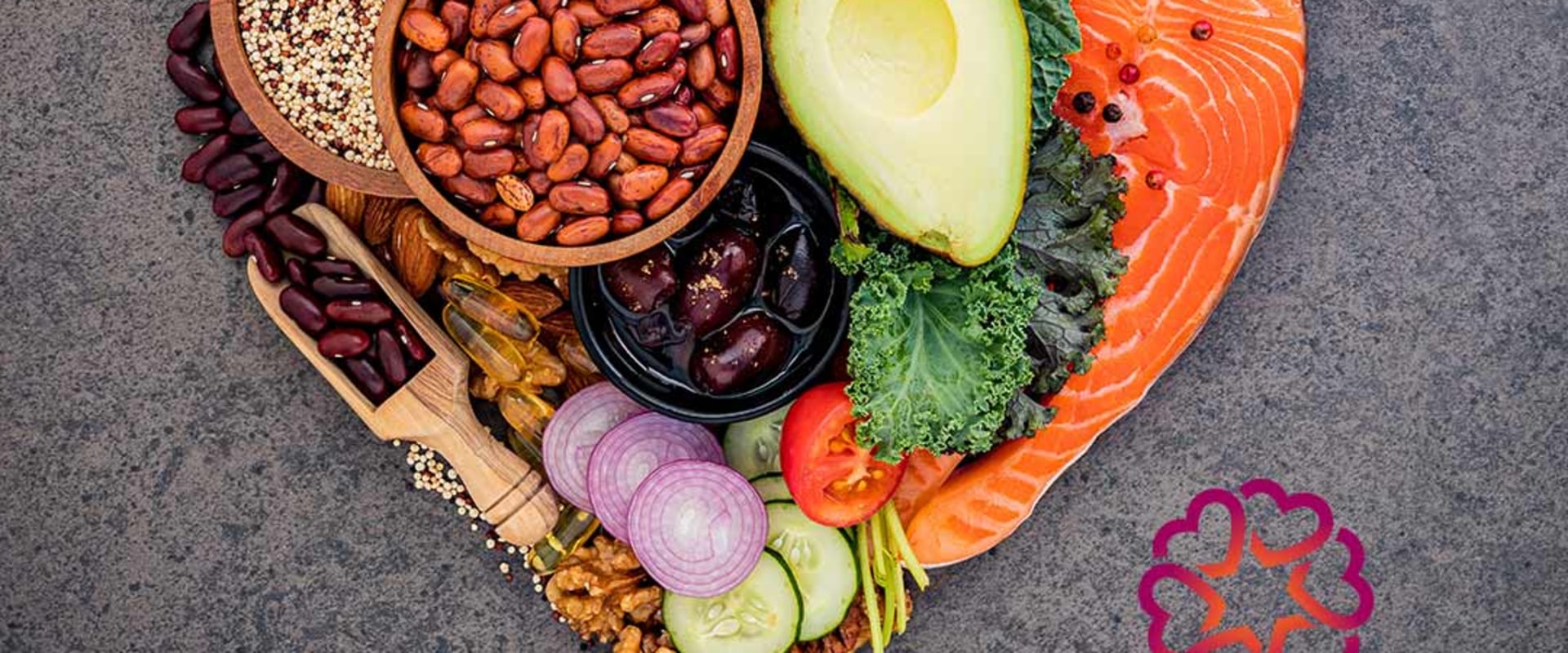
When it comes to achieving weight loss, understanding the role of nutrition is paramount. Many people embark on their weight loss journeys with a focus on exercise, often overlooking the critical impact that what they eat has on their success. Nutrition is not just about cutting calories; it’s about making informed choices that fuel your body and support your goals. The right balance of macronutrients—proteins, fats, and carbohydrates—can significantly influence your metabolism, energy levels, and overall health.Among these macronutrients, protein and fiber stand out as essential components for anyone looking to shed pounds effectively.
Protein is vital for building and repairing tissues, including muscle, which plays a crucial role in burning calories even at rest. Meanwhile, fiber aids in digestion and helps regulate blood sugar levels, keeping hunger at bay. Together, they create a powerful duo that can enhance your weight loss efforts by promoting satiety and reducing cravings.Moreover, adopting a healthy eating mindset involves more than just focusing on individual nutrients; it requires a holistic approach to food choices. This means prioritizing whole foods over processed options, understanding portion sizes, and being mindful of how different foods affect your body.
By embracing a balanced diet rich in protein and fiber, you not only set yourself up for successful weight loss but also cultivate long-term healthy eating habits that can sustain your progress.As we delve deeper into the specifics of how increasing your intake of protein and fiber can accelerate your weight loss journey, it’s essential to remember that every small change counts. Whether you’re swapping out refined grains for whole grains or incorporating more legumes into your meals, each step you take brings you closer to achieving your weight loss goals while nourishing your body in the process.
Why Protein is Essential for Weight Loss
When it comes to weight loss, protein plays a pivotal role that goes beyond mere calorie counting. Understanding the multifaceted benefits of protein can empower you to make informed dietary choices that support your weight loss journey.1.Muscle Building and Preservation
One of the most significant advantages of increasing your protein intake is its ability to promote muscle building and preservation. When you lose weight, especially through caloric restriction, there is a risk of losing muscle mass along with fat.
Protein helps mitigate this risk by providing the necessary amino acids that are essential for muscle repair and growth. This is particularly important because muscle tissue burns more calories at rest compared to fat tissue, thereby enhancing your overall metabolic rate.
2.Enhanced Metabolism
Protein has a higher thermic effect compared to fats and carbohydrates, meaning that your body expends more energy digesting and metabolizing protein-rich foods. This process can lead to an increase in your resting metabolic rate, which is crucial for effective weight loss. By incorporating more protein into your meals, you can effectively boost your metabolism, allowing you to burn more calories throughout the day.
3.Appetite Regulation
Another compelling reason to prioritize protein in your diet is its ability to regulate appetite.
High-protein foods tend to be more satiating than their carbohydrate or fat counterparts, which means they can help you feel full longer. This satiety can reduce the likelihood of snacking between meals and help you stick to your caloric goals. Studies have shown that individuals who consume higher amounts of protein report lower levels of hunger and increased feelings of fullness.
4.Improved Body Composition
Incorporating adequate protein into your diet not only aids in weight loss but also improves body composition. A higher protein intake can lead to a greater loss of fat while preserving lean muscle mass, resulting in a healthier body composition overall.
This is particularly beneficial for those looking to achieve a toned appearance while shedding excess weight.
5.Practical Tips for Increasing Protein Intake
- Include lean meats such as chicken, turkey, and fish in your meals.
- Add legumes like beans, lentils, and chickpeas to salads and soups.
- Snack on nuts or seeds instead of processed snacks.
- Incorporate dairy products like Greek yogurt or cottage cheese into your diet.
- Consider protein supplements if necessary, but focus on whole food sources first.
The Importance of Fiber in Your Diet
Fiber is a crucial component of a healthy diet, particularly for those aiming for weight loss. It plays a significant role in digestion and appetite control, making it an essential nutrient for anyone looking to shed pounds effectively.One of the primary benefits of fiber is its ability to enhance digestive health.It adds bulk to the stool, which helps to regulate bowel movements and prevent constipation. This is particularly important because a well-functioning digestive system can improve nutrient absorption and overall health. When your digestive system operates smoothly, it can also help you feel lighter and more energetic, which is beneficial when engaging in physical activities that support weight loss.Moreover, fiber aids in maintaining a healthy gut microbiome. A diverse and balanced gut flora can influence your metabolism and how your body processes food.
Studies have shown that a healthy gut can lead to better weight management, as it helps regulate hormones that control hunger and satiety.In terms of appetite control, fiber is incredibly effective. Foods rich in fiber tend to be more filling than their low-fiber counterparts. This is because fiber slows down the digestion process, leading to a gradual release of energy and prolonged feelings of fullness. When you consume high-fiber foods, such as fruits, vegetables, whole grains, and legumes, you are less likely to experience sudden hunger pangs or cravings that can derail your weight loss efforts.Additionally, fiber-rich foods often require more chewing, which can slow down your eating pace.
This slower eating allows your brain more time to receive signals from your stomach that indicate fullness, further aiding in appetite control.To incorporate more fiber into your diet effectively, consider the following tips:
- Start your day with whole grains: Choose oatmeal or whole-grain cereals over refined options.
- Add fruits and vegetables: Aim for at least five servings of fruits and vegetables daily; they are not only high in fiber but also packed with essential vitamins and minerals.
- Snack smart: Opt for nuts, seeds, or raw veggies instead of processed snacks.
- Include legumes: Beans, lentils, and chickpeas are excellent sources of both protein and fiber.
How Protein and Fiber Work Together for Weight Loss
When it comes to effective weight loss strategies, understanding the synergy between protein and fiber is crucial. Both nutrients play distinct yet complementary roles in promoting satiety, enhancing metabolism, and supporting overall health.By consuming them together, you can maximize their individual benefits, making your weight loss journey more efficient.
Protein
is known for its ability to build and repair muscle tissue. This is particularly important during weight loss, as maintaining muscle mass helps to keep your metabolic rate elevated. A higher metabolic rate means your body burns more calories at rest, which is essential for shedding excess weight. Additionally, protein-rich foods take longer to digest, which contributes to a prolonged feeling of fullness.
Fiber
, on the other hand, is a powerhouse when it comes to digestive health and appetite regulation.
It slows down the digestion process, leading to a gradual release of glucose into the bloodstream. This helps prevent spikes in blood sugar levels that can trigger cravings and lead to overeating. Furthermore, fiber adds bulk to your meals without adding extra calories, allowing you to eat satisfying portions while still creating a calorie deficit.When combined, protein and fiber create a dynamic duo that enhances weight loss efforts:
- Increased Satiety: Meals that are rich in both protein and fiber can significantly increase feelings of fullness. This dual effect helps curb hunger pangs and reduces the likelihood of snacking between meals.
- Balanced Blood Sugar Levels: The combination of protein and fiber helps stabilize blood sugar levels, reducing the risk of energy crashes and subsequent cravings for unhealthy foods.
- Enhanced Nutrient Absorption: Fiber aids in the absorption of nutrients from protein-rich foods, ensuring that your body gets the most out of what you consume.
For instance, a salad topped with grilled chicken (protein) and a variety of vegetables (fiber) can be an excellent choice. Similarly, a smoothie made with Greek yogurt (protein) and spinach or berries (fiber) can serve as a nutritious snack or meal replacement.In conclusion, integrating more protein and fiber into your diet not only supports weight loss but also promotes overall health. By understanding how these two nutrients work together, you can create a sustainable eating plan that keeps you satisfied while helping you achieve your weight loss goals.
Top Sources of Protein and Fiber for Your Diet
When it comes to achieving your weight loss goals, incorporating a variety of high-protein and high-fiber foods into your diet is essential. These foods not only help you feel full longer but also provide the necessary nutrients to support your overall health.Below is a comprehensive list of some of the best sources of protein and fiber, along with practical tips for including them in your daily meals.
High-Protein Foods
- Lean Meats: Chicken breast, turkey, and lean cuts of beef are excellent sources of protein. Aim for grilled or baked options to keep the calorie count low.
- Fish: Fatty fish like salmon, mackerel, and sardines are not only rich in protein but also provide healthy omega-3 fatty acids. Try incorporating fish into your meals at least twice a week.
- Eggs: A versatile source of protein, eggs can be boiled, scrambled, or poached. They are also packed with essential vitamins and minerals.
- Dairy Products: Greek yogurt, cottage cheese, and low-fat milk are great sources of protein.
Opt for plain varieties to avoid added sugars.
- Legumes: Beans, lentils, and chickpeas are not only high in protein but also provide fiber. They can be added to salads, soups, or made into dips like hummus.
High-Fiber Foods
- Whole Grains: Foods like quinoa, brown rice, oats, and whole wheat bread are excellent sources of fiber. Choose whole grain options over refined grains for maximum benefits.
- Fruits: Berries, apples, pears, and bananas are high in fiber and make for great snacks. Eating the skin on fruits like apples can increase fiber intake.
- Vegetables: Leafy greens such as spinach and kale, as well as cruciferous vegetables like broccoli and Brussels sprouts, are fiber-rich choices that can be included in salads or stir-fries.
- Nuts and Seeds: Almonds, chia seeds, flaxseeds, and walnuts are packed with both protein and fiber.
They can be sprinkled on yogurt or added to smoothies for an extra nutrient boost.
Meal Planning Tips:
- Create Balanced Meals: Aim to include a source of protein and fiber in every meal. For example, pair grilled chicken with quinoa and steamed broccoli.
- Snack Wisely: Choose snacks that combine protein and fiber, such as apple slices with almond butter or Greek yogurt topped with berries.
- Prep Ahead: Prepare meals in advance to ensure you have healthy options readily available. Cook large batches of beans or grains to use throughout the week.
Practical Tips for Increasing Protein and Fiber Intake
Increasing your intake of protein and fiber can significantly enhance your weight loss journey.Here are some practical tips to help you incorporate these essential nutrients into your daily meals.
1.Plan Your Meals
Meal planning is a powerful tool for ensuring you consume adequate protein and fiber. Set aside time each week to plan your meals, focusing on incorporating high-protein and high-fiber foods. Consider the following:- Choose a Protein Source: Select lean meats, fish, eggs, or plant-based proteins like beans and lentils for your main dishes.
- Add Fiber-Rich Sides: Include vegetables, whole grains, or legumes as side dishes to complement your protein choices.
- Snack Wisely: Prepare healthy snacks such as Greek yogurt with berries or hummus with carrot sticks to keep hunger at bay.
2.Experiment with Recipes
Getting creative in the kitchen can make it easier to increase your protein and fiber intake. Here are some ideas:- Protein-Packed Smoothies: Blend spinach, protein powder, and a banana for a nutritious breakfast or snack.
- Fiber-Rich Salads: Create salads with mixed greens, chickpeas, quinoa, and a variety of colorful vegetables.
- Hearty Soups: Make soups using lentils or beans as a base, adding plenty of vegetables for extra fiber.
3.Incorporate Snacks
Snacking can be an effective way to boost your protein and fiber intake throughout the day.Opt for:
- Nuts and Seeds: Almonds, walnuts, chia seeds, and pumpkin seeds are excellent sources of both nutrients.
- Nut Butters: Spread almond or peanut butter on whole-grain toast or apple slices for a satisfying snack.
- Dairy Options: Greek yogurt is not only high in protein but also contains probiotics that support gut health.
4.Read Labels
When shopping for packaged foods, always read the nutrition labels. Look for products that are high in protein and fiber while being low in added sugars and unhealthy fats. This practice will help you make informed choices that align with your weight loss goals.By implementing these practical tips into your daily routine, you can effectively increase your protein and fiber intake, making it easier to achieve your weight loss objectives while enjoying delicious meals.Hydration: A Key Component in Weight Loss
When embarking on a weight loss journey, many people focus primarily on diet and exercise, often overlooking the crucial role of hydration. Staying adequately hydrated is not just about quenching thirst; it plays a significant role in supporting your body’s metabolic processes, enhancing the effectiveness of a diet rich in protein and fiber.Water is essential for numerous bodily functions, including digestion, nutrient absorption, and waste elimination.When you consume a diet high in protein and fiber, your body requires sufficient water to process these nutrients effectively. For instance, fiber absorbs water to form a gel-like substance in the digestive tract, which aids in smooth bowel movements and prevents constipation. Without adequate hydration, this process can be hindered, leading to discomfort and digestive issues.Moreover, drinking enough water can help control appetite. Often, our bodies confuse thirst with hunger, leading to unnecessary snacking or overeating.
By staying hydrated, you can better distinguish between true hunger and thirst signals. Research suggests that drinking water before meals can also promote a feeling of fullness, which may lead to reduced calorie intake during meals.Here are some practical tips to ensure you stay hydrated while pursuing your weight loss goals:
- Set a Daily Water Goal: Aim for at least 8-10 cups (64-80 ounces) of water daily. Adjust this based on your activity level and climate.
- Incorporate Hydrating Foods: Include fruits and vegetables with high water content in your diet, such as cucumbers, watermelon, oranges, and strawberries.
- Drink Water Before Meals: Make it a habit to drink a glass of water 30 minutes before each meal to help control appetite.
- Carry a Water Bottle: Keep a reusable water bottle with you throughout the day as a reminder to drink more water.
- Flavor Your Water: If plain water doesn’t appeal to you, try infusing it with slices of lemon, cucumber, or mint for added flavor without extra calories.
This not only supports your weight loss efforts but also promotes overall health and well-being.
Exercise: Enhancing Your Weight Loss Journey
Incorporating exercise into your weight loss journey is crucial for maximizing the benefits of a high-protein and high-fiber diet. While nutrition plays a significant role in shedding pounds, physical activity enhances your overall health and accelerates the weight loss process. Here’s how exercise complements your dietary efforts:- Boosts Metabolism: Engaging in regular physical activity increases your metabolic rate, allowing you to burn more calories even at rest. This effect is particularly pronounced with strength training, which builds muscle mass that requires more energy to maintain.
- Enhances Fat Loss: Exercise helps target fat stores, especially when combined with a balanced diet rich in protein and fiber.
High-intensity workouts can lead to greater fat oxidation, making them an effective choice for weight loss.
- Improves Mood and Motivation: Physical activity releases endorphins, which can enhance your mood and reduce stress. A positive mindset is essential for sticking to your weight loss plan and maintaining healthy habits.
- Set Realistic Goals: Aim for achievable fitness goals that align with your weight loss objectives. Whether it’s walking 10,000 steps a day or completing a certain number of workouts per week, having clear targets can keep you motivated.
- Incorporate Variety: Mix different types of exercises to prevent boredom and work various muscle groups. Include cardiovascular activities like running or cycling, strength training with weights or resistance bands, and flexibility exercises such as yoga or stretching.
- Schedule Regular Workouts: Consistency is key in any fitness regimen.
Set aside specific times each week for exercise to establish a routine that fits your lifestyle.
Common Myths About Protein and Fiber in Weight Loss
When it comes to weight loss, there are numerous myths surrounding the roles of protein and fiber. These misconceptions can lead to confusion and hinder your progress. Let’s debunk some of the most common myths about these essential nutrients.- Myth 1: Eating too much protein will make you gain weight.
Many people believe that consuming high amounts of protein leads to weight gain.However, protein is crucial for muscle building and repair, which can actually enhance your metabolism. When combined with a balanced diet, increased protein intake can help you feel fuller longer, reducing overall calorie consumption.
- Myth 2: All protein sources are created equal.
Not all proteins are beneficial for weight loss. Processed meats and high-fat dairy products can contribute to weight gain if consumed in excess. Instead, focus on lean sources such as chicken, fish, legumes, and plant-based proteins that provide essential nutrients without excessive calories. - Myth 3: Fiber is only important for digestion.
While fiber is well-known for its digestive benefits, it also plays a significant role in weight management.High-fiber foods can help regulate blood sugar levels and keep you feeling satisfied, which can prevent overeating and snacking on unhealthy options.
- Myth 4: You can’t get enough protein from a vegetarian or vegan diet.
This myth is misleading as there are plenty of plant-based sources of protein available. Foods like lentils, chickpeas, quinoa, and tofu are excellent options that provide sufficient protein while also being rich in fiber. - Myth 5: Fiber supplements are just as effective as whole foods.
While fiber supplements can help increase your intake, they lack the additional nutrients found in whole foods. Whole food sources of fiber, such as fruits, vegetables, and whole grains, offer vitamins and minerals that supplements cannot provide.
Conclusion: Embracing Protein and Fiber for Effective Weight Loss
In summary, the journey towards effective weight loss can be significantly enhanced by embracing a diet rich in protein and fiber.These two macronutrients play a crucial role in not only helping you shed pounds but also in maintaining a healthy lifestyle.
Protein
is essential for building and repairing muscle tissue, which is vital for increasing your metabolic rate. A higher metabolic rate means your body burns more calories, even at rest. Additionally, protein has a satiating effect, meaning it keeps you feeling full longer, which can help curb unnecessary snacking and overeating. Incorporating lean sources of protein such as chicken, fish, legumes, and dairy into your meals can provide the necessary building blocks for muscle growth while supporting your weight loss efforts.On the other hand, fiber is equally important in the weight loss equation.
It aids in digestion and helps regulate blood sugar levels, preventing spikes that can lead to cravings and energy crashes. High-fiber foods such as fruits, vegetables, whole grains, and legumes not only promote a feeling of fullness but also contribute to overall gut health. By including these foods in your diet, you can enhance your body's ability to manage hunger and maintain steady energy levels throughout the day.To achieve optimal results in your weight loss journey, it is essential to combine both protein and fiber in your meals. This combination not only supports weight management but also promotes overall health by providing essential nutrients that your body needs to function effectively.As you move forward, remember that consistency is key.
Make a conscious effort to include a variety of protein and fiber sources in your daily diet. This will not only help you reach your weight loss goals faster but will also set the foundation for a healthier lifestyle long-term. Embrace these changes with patience and determination, and you will likely see positive results that extend beyond just the scale.