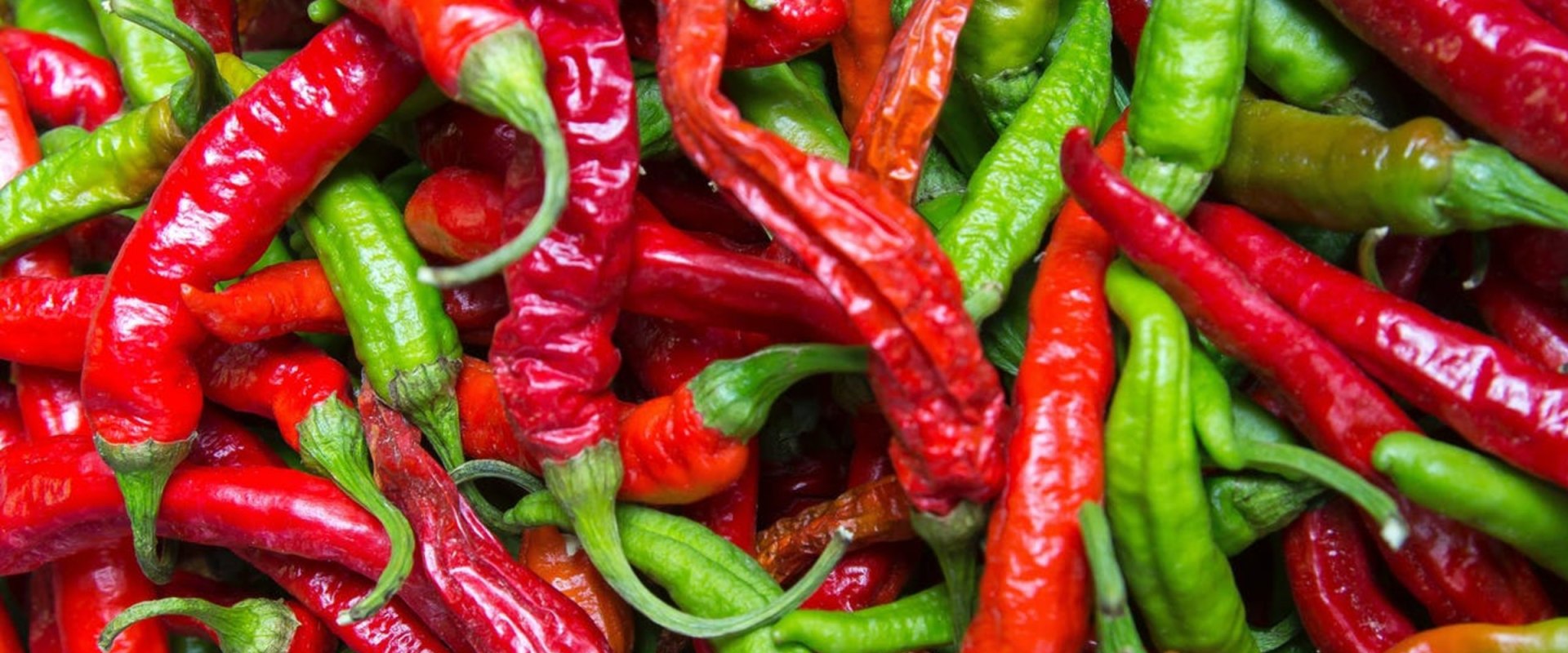
Cayenne pepper, a vibrant red spice derived from the Capsicum annuum plant, has been a staple in culinary traditions around the globe for centuries. Its origins trace back to Central and South America, where it was revered not only for its fiery flavor but also for its medicinal properties. Today, cayenne pepper is celebrated not just as a culinary delight but also as a powerful ally in the quest for weight loss and enhanced metabolism.The secret behind cayenne pepper's effectiveness lies in its active compound, capsaicin. This natural chemical is responsible for the pepper's characteristic heat and has been extensively studied for its potential health benefits.
Research suggests that capsaicin can significantly increase thermogenesis—the process by which the body generates heat and burns calories. This thermogenic effect can lead to a higher metabolic rate, making cayenne pepper an appealing addition to any weight loss regimen.In addition to its metabolism-boosting properties, cayenne pepper is packed with vitamins and minerals that contribute to overall health. It contains high levels of vitamin A, vitamin C, and various antioxidants that help combat oxidative stress in the body. Furthermore, cayenne pepper has been linked to improved digestion and reduced inflammation, making it a multifaceted ingredient that supports not only weight management but also general well-being.As we delve deeper into the world of cayenne pepper, we will explore its myriad health benefits, practical ways to incorporate it into your diet, and important considerations to keep in mind.
Whether you're looking to spice up your meals or enhance your weight loss journey, understanding cayenne pepper's role in metabolism and health can empower you to make informed choices.
The Science Behind Cayenne Pepper and Weight Loss
Cayenne pepper has garnered attention not only for its culinary uses but also for its potential role in weight loss and metabolism enhancement. The key player in this process is capsaicin, a compound that gives cayenne its characteristic heat. Understanding how capsaicin works can provide insight into its effectiveness as a weight loss aid.Capsaicin and Thermogenesis
Thermogenesis refers to the process by which the body generates heat, and it plays a crucial role in energy expenditure. When you consume cayenne pepper, the capsaicin it contains can stimulate thermogenesis, leading to an increase in metabolic rate.
This means that your body burns more calories, even at rest. Research has shown that capsaicin can elevate energy expenditure by as much as 5% to 10% for a few hours after consumption.One study published in the journal Obesity found that participants who consumed capsaicin experienced a significant increase in their metabolic rate compared to those who did not. This effect is particularly beneficial for individuals looking to shed excess weight, as it helps create a caloric deficit necessary for weight loss.
Appetite Suppression
In addition to boosting thermogenesis, capsaicin has been shown to have appetite-suppressing effects. It may help reduce hunger and cravings, making it easier to adhere to a calorie-controlled diet.
A study published in the American Journal of Clinical Nutrition indicated that participants who consumed meals containing capsaicin reported feeling fuller and less hungry afterward.
Fat Oxidation
Cayenne pepper may also enhance fat oxidation, which is the process of breaking down fat stores for energy. Capsaicin has been linked to increased fat burning during exercise, making it a valuable addition to a fitness regimen aimed at weight loss. By promoting fat oxidation, cayenne pepper can help individuals achieve their weight loss goals more effectively.
Conclusion
The science behind cayenne pepper's role in weight loss is rooted in its ability to stimulate thermogenesis, suppress appetite, and enhance fat oxidation through the action of capsaicin. Incorporating cayenne pepper into your diet may provide a natural and effective way to support your weight loss journey while also adding flavor to your meals.
Health Benefits of Cayenne Pepper Beyond Weight Loss
Cayenne pepper is not only celebrated for its potential to aid in weight loss and boost metabolism, but it also offers a range of other health benefits that contribute to overall well-being.Understanding these additional advantages can help you appreciate this vibrant spice even more.
Anti-Inflammatory Properties
One of the standout features of cayenne pepper is its remarkable anti-inflammatory properties. The active compound, capsaicin, has been shown to inhibit the production of substance P, a neuropeptide associated with inflammation and pain signaling in the body. By reducing levels of substance P, cayenne pepper may help alleviate symptoms related to inflammatory conditions such as arthritis and other chronic pain disorders.Moreover, the anti-inflammatory effects of cayenne pepper can extend to cardiovascular health. Chronic inflammation is a known risk factor for heart disease, and incorporating cayenne pepper into your diet may help mitigate this risk by promoting better circulation and reducing arterial inflammation.Antioxidant Effects
Cayenne pepper is also rich in antioxidants , which play a crucial role in protecting the body from oxidative stress caused by free radicals.Free radicals are unstable molecules that can damage cells and contribute to aging and various diseases, including cancer. The antioxidants found in cayenne pepper, such as vitamins A and C, help neutralize these harmful molecules, thereby supporting cellular health.Additionally, the antioxidant properties of cayenne pepper may enhance the immune system's function. A robust immune response is essential for warding off infections and diseases, and antioxidants can bolster this defense mechanism by reducing oxidative damage to immune cells.
Digestive Health
Another significant benefit of cayenne pepper is its positive impact on digestive health. It stimulates the production of digestive enzymes and increases gastric juices, which can aid in breaking down food more efficiently.This enhanced digestion can lead to better nutrient absorption and may help alleviate issues such as bloating or indigestion.In summary, while cayenne pepper is often associated with weight loss and metabolism enhancement, its health benefits extend far beyond these aspects. From its anti-inflammatory properties to its antioxidant effects and support for digestive health, incorporating cayenne pepper into your diet can contribute to a holistic approach to wellness.
Incorporating Cayenne Pepper into Your Diet
Incorporating cayenne pepper into your diet can be a flavorful and beneficial way to enhance your meals while reaping its potential weight loss and metabolism-boosting benefits. Here are some practical tips and delicious recipes to help you get started.Start Slowly
If you're new to cayenne pepper, it's wise to begin with small amounts. This allows your body to adjust to the spice without overwhelming your digestive system.
Start with a pinch in your dishes and gradually increase the quantity as you become accustomed to the heat.
Cooking Tips
- Soups and Stews: Add cayenne pepper to soups or stews for a warming kick. A teaspoon can elevate the flavor profile while providing health benefits.
- Marinades: Mix cayenne pepper into marinades for meats or tofu. Combine it with olive oil, garlic, and lemon juice for a zesty flavor that enhances grilled dishes.
- Vegetable Dishes: Sprinkle cayenne on roasted or sautéed vegetables. It pairs well with bell peppers, zucchini, and broccoli, adding both heat and depth of flavor.
- Salads: Create a spicy salad dressing by whisking together olive oil, vinegar, honey, and a dash of cayenne pepper.
This adds a unique twist to your greens.
Recipes Featuring Cayenne Pepper
- Cayenne-Spiced Roasted Chickpeas: Toss canned chickpeas with olive oil, cayenne pepper, garlic powder, and salt. Roast at 400°F (200°C) for 20-30 minutes until crispy.
- Spicy Avocado Toast: Mash ripe avocado on whole-grain bread and sprinkle with cayenne pepper, salt, and a squeeze of lime for a nutritious breakfast or snack.
- Cayenne-Infused Smoothie: Blend spinach, banana, almond milk, and a pinch of cayenne pepper for a refreshing smoothie that packs a metabolic punch.
Considerations for Safe Consumption
While cayenne pepper is generally safe for most people when consumed in moderation, it's essential to listen to your body. If you experience any discomfort such as heartburn or stomach upset, reduce the amount you use. Additionally, consult with a healthcare professional if you have any underlying health conditions or are taking medications that may interact with cayenne pepper.By incorporating cayenne pepper thoughtfully into your meals, you can enjoy its unique flavor while potentially enhancing your weight loss journey and boosting your metabolism.
Recommended Dosage and Safety Precautions
When considering the incorporation of cayenne pepper into your diet for weight loss and metabolism enhancement, understanding the appropriate dosage is crucial.While cayenne pepper is generally safe for most individuals, adhering to recommended dosages can help maximize its benefits while minimizing potential side effects.
Recommended Dosage
- The typical dosage for cayenne pepper supplements ranges from 500 to 1000 milligrams per day. This amount is often sufficient to experience its thermogenic effects without overwhelming the digestive system.
- If you prefer to use cayenne pepper in its natural form, starting with 1/4 to 1/2 teaspoon in your meals is advisable. You can gradually increase this amount as your body adjusts to the spice.
- For those who are new to cayenne pepper, it’s wise to begin with smaller quantities and monitor how your body reacts before increasing the dosage.
Safety Precautions
While cayenne pepper is generally safe for consumption, there are several precautions to consider:
- Gastrointestinal Issues: Some individuals may experience digestive discomfort, including heartburn, stomach pain, or nausea. If you have a sensitive stomach or a history of gastrointestinal issues, it’s best to consult with a healthcare professional before adding cayenne pepper to your diet.
- Medication Interactions: Cayenne pepper can interact with certain medications.
For instance, it may enhance the effects of blood thinners like warfarin, increasing the risk of bleeding. It can also interact with nonsteroidal anti-inflammatory drugs (NSAIDs) and antiplatelet medications. Always discuss with your doctor if you are taking any medications.
- Pregnancy and Breastfeeding: Pregnant or breastfeeding women should exercise caution when consuming cayenne pepper. While moderate amounts in food are generally considered safe, high doses in supplement form may not be advisable.
Potential Side Effects
Although many people tolerate cayenne pepper well, some may experience side effects:
- Burning Sensation: The capsaicin in cayenne can cause a burning sensation in the mouth or throat when consumed in large amounts.
- Allergic Reactions: Rarely, individuals may have an allergic reaction to cayenne pepper, resulting in symptoms such as itching, swelling, or difficulty breathing.
- Skin Irritation: When handling cayenne powder or fresh peppers, it’s advisable to wash your hands thoroughly afterward to avoid skin irritation or accidental contact with sensitive areas like the eyes.
Consulting with a healthcare provider can help ensure that you use cayenne pepper safely and effectively.
Types of Cayenne Pepper: Which One to Choose?
Cayenne pepper is available in several forms, each offering unique flavors and culinary applications. Understanding the differences between these types can help you select the right one for your cooking needs and health goals.Cayenne Pepper Powder
Cayenne pepper powder is made by grinding dried cayenne peppers into a fine consistency. This form is often the most potent in terms of heat and flavor concentration. It is ideal for recipes where you want to incorporate a strong, spicy kick without altering the texture of the dish.Use cayenne powder in:
- Soups and stews: A pinch can elevate the flavor profile.
- Marinades: Mix it with oils and other spices for a zesty marinade.
- Baked goods: Add a dash to chocolate desserts for an unexpected twist.
Cayenne Pepper Flakes
Cayenne pepper flakes, also known as red pepper flakes, are made from crushed dried cayenne peppers. They provide a milder heat compared to the powder and add a delightful texture to dishes. This form is perfect for:- Pizzas: Sprinkle on top for added flavor.
- Salads: Toss into salads for a spicy crunch.
- Stir-fries: Add during cooking to enhance the overall taste.
Cayenne Pepper Sauces
Cayenne pepper sauces combine cayenne with vinegar, salt, and other spices, resulting in a liquid condiment that packs a punch. These sauces are versatile and can be used in various ways:- Dipping sauces: Perfect for appetizers like chicken wings or vegetables.
- Flavor enhancers: Drizzle over dishes like tacos or grilled meats.
- Cooking ingredient: Use in marinades or dressings to add depth of flavor.
Each type has its own unique characteristics that can enhance your meals while potentially aiding in weight loss and metabolism boosting.
FAQs About Cayenne Pepper for Weight Loss and Metabolism Boosting
When it comes to incorporating cayenne pepper into your weight loss journey, many people have questions about its effectiveness and safety. Here are some frequently asked questions that can help clarify common misconceptions and provide valuable insights.1.How does cayenne pepper aid in weight loss?
Cayenne pepper contains capsaicin , a compound known for its ability to increase thermogenesis, which is the process of heat production in the body. This increase in heat can lead to a higher metabolic rate, allowing your body to burn more calories even at rest. Additionally, cayenne pepper may help suppress appetite, making it easier to consume fewer calories throughout the day.2.Can I consume cayenne pepper every day?
Yes, many people can safely consume cayenne pepper daily as part of a balanced diet.However, it is advisable to start with small amounts to assess your tolerance, especially if you are not accustomed to spicy foods. Gradually increasing your intake can help minimize any potential digestive discomfort.
3.Are there any side effects associated with cayenne pepper?
While cayenne pepper is generally safe for most individuals, some may experience side effects such as:- Gastrointestinal issues: This can include heartburn, stomach pain, or upset stomach.
- Skin irritation: Handling cayenne pepper can cause irritation if it comes into contact with sensitive skin.
- Allergic reactions: Though rare, some individuals may be allergic to cayenne pepper.
4.Can cayenne pepper replace a healthy diet and exercise?
No, while cayenne pepper can be a helpful addition to your weight loss regimen due to its metabolism-boosting properties, it should not be viewed as a magic solution. A balanced diet rich in whole foods combined with regular physical activity is essential for effective and sustainable weight loss.5.Is there a recommended dosage for cayenne pepper?
The typical dosage for cayenne pepper supplements ranges from 500 to 1000 milligrams per day. However, if you are using it as a spice in cooking, there is no strict guideline; just use it according to your taste preferences while being mindful of its spiciness.In summary, understanding how cayenne pepper works and addressing common questions can empower you to make informed decisions about its role in your weight loss journey.Always consider consulting with a healthcare provider before making significant changes to your diet or supplement routine.
Conclusion: Embracing Cayenne Pepper for a Healthier Lifestyle
In conclusion, cayenne pepper emerges as a powerful ally in the quest for weight loss and enhanced metabolism. Its active compound, capsaicin, plays a pivotal role in increasing thermogenesis, which can lead to greater calorie expenditure and fat burning. By incorporating cayenne pepper into your daily diet, you not only add a burst of flavor to your meals but also tap into its potential health benefits.Throughout this article, we have explored various aspects of cayenne pepper, including its ability to suppress appetite, boost energy levels, and provide anti-inflammatory and antioxidant properties. These benefits make it a valuable addition to any weight loss regimen.However, it is essential to approach its use with mindfulness. Starting with small amounts allows your body to adjust to the spice, minimizing the risk of gastrointestinal discomfort.Moreover, the versatility of cayenne pepper means it can be easily integrated into a variety of dishes—from soups and stews to smoothies and salads. This adaptability not only enhances the taste of your meals but also encourages a more adventurous approach to healthy eating.While cayenne pepper offers numerous advantages, it is crucial to consult with healthcare professionals before making significant changes to your diet or introducing new supplements. This is especially important for individuals with pre-existing health conditions or those taking medications that may interact with cayenne pepper.Ultimately, embracing cayenne pepper as part of a balanced diet can contribute to a healthier lifestyle.
By combining its weight loss benefits with regular physical activity and mindful eating practices, you can create a sustainable path toward achieving your health goals. Remember that every small change counts, and incorporating cayenne pepper could be the flavorful boost you need on your journey to better health.