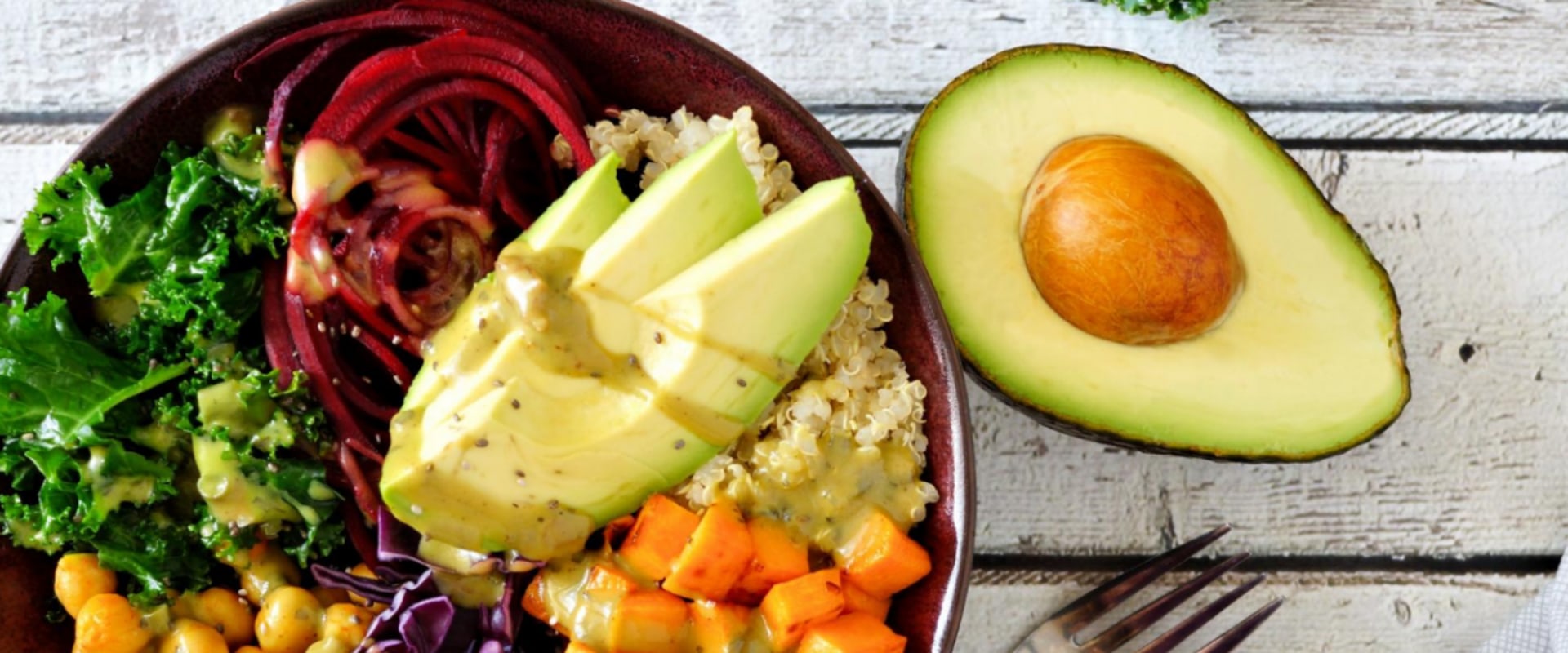
Meal planning is a powerful tool that can significantly enhance your journey towards weight loss and healthier eating habits. By taking the time to plan your meals in advance, you not only streamline your grocery shopping but also make more informed choices about what you eat. This proactive approach allows you to control portion sizes, select nutritious ingredients, and avoid the temptation of unhealthy options that often arise from last-minute decisions.Understanding the importance of meal planning in the context of nutrition is crucial for anyone looking to shed pounds. When you plan your meals, you can ensure that each dish is balanced, incorporating the right proportions of proteins, carbohydrates, and fats.
This balance is essential for maintaining energy levels and supporting overall health while pursuing your weight loss goals. Moreover, meal planning encourages you to include a variety of foods in your diet, which can help prevent boredom and promote adherence to your healthy eating plan.Additionally, meal planning can save you both time and money. By creating a structured plan for the week, you can minimize food waste and reduce impulse purchases at the grocery store. This not only helps your wallet but also ensures that you have all the necessary ingredients on hand to prepare wholesome meals.
As a result, you're less likely to resort to fast food or processed snacks when hunger strikes.In summary, embracing meal planning as part of your weight loss strategy can lead to healthier eating patterns and improved nutritional choices. It empowers you to take charge of your diet, making it easier to achieve your health goals while enjoying delicious meals along the way.
The Basics of Meal Planning
Meal planning is a strategic approach to preparing meals in advance, allowing you to make healthier choices while saving time and money. At its core, meal planning involves deciding what meals you will eat for the week, creating a shopping list based on those meals, and preparing ingredients ahead of time. This process not only helps in managing your diet but also plays a crucial role in achieving weight loss goals.To get started with meal planning, follow these essential steps:- Assess Your Goals: Before diving into meal planning, take a moment to reflect on your dietary goals.
Are you aiming for weight loss, muscle gain, or simply healthier eating? Understanding your objectives will guide your meal choices.
- Choose Your Meals: Select recipes that align with your goals. Focus on meals that are rich in nutrients but low in empty calories. Incorporate a variety of proteins, whole grains, fruits, and vegetables to ensure balanced nutrition.
- Create a Grocery List: Once you have your meals planned out, compile a grocery list of all the ingredients needed. This step is crucial for avoiding impulse purchases and ensuring you have everything on hand when it’s time to cook.
- Prep Ingredients: Dedicate some time each week to prep ingredients.
This could mean washing and chopping vegetables, marinating proteins, or cooking grains. Having these items ready to go can significantly reduce cooking time during busy weekdays.
- Stay Flexible: While having a plan is essential, it’s also important to remain flexible. Life can be unpredictable, so be prepared to adjust your meal plan as needed without feeling guilty.
- Save Money: Planning meals helps reduce food waste and unnecessary spending on takeout or last-minute grocery runs.
- Improve Nutrition: With a structured plan, you can ensure that your meals are balanced and nutritious, which is vital for supporting weight loss.
- Reduce Stress: Knowing what you’ll eat each day eliminates the daily question of "What’s for dinner?" making mealtime less stressful.
By following these basic steps and understanding the benefits, you can create a sustainable meal planning routine that supports your journey towards better health.
Setting Realistic Goals for Weight Loss Through Meal Planning
Setting realistic weight loss goals is a crucial first step in your journey towards healthier eating and lifestyle changes. When it comes to meal planning, aligning your dietary choices with these goals can significantly enhance your chances of success. Here are some strategies to help you set achievable weight loss goals that can be supported through effective meal planning.1.Understand Your Starting Point
- Before setting any goals, assess your current eating habits, activity level, and overall health. This self-assessment will provide a baseline from which you can measure progress.
- Consider keeping a food diary for a week to track what you eat and identify patterns or areas for improvement.
2.Set SMART Goals
Utilizing the SMART criteria can help you create clear and attainable weight loss goals:
- Specific: Define exactly what you want to achieve.
Instead of saying "I want to lose weight," specify "I want to lose 10 pounds in three months."
- Measurable: Ensure that your goal can be tracked. This could involve weighing yourself weekly or measuring body measurements.
- Achievable: Set a goal that is realistic based on your lifestyle and commitments. Aiming for 1-2 pounds of weight loss per week is generally considered safe and sustainable.
- Relevant: Your goal should align with your overall health objectives. If your primary aim is to improve energy levels or reduce health risks, ensure your meal plan supports these outcomes.
- Time-bound: Establish a timeline for achieving your goal.
This creates urgency and helps maintain motivation.
3.Align Meal Planning with Your Goals
Your meal plan should reflect the goals you've set. For instance, if you're aiming for weight loss, focus on incorporating:
- Whole foods: Prioritize fruits, vegetables, lean proteins, and whole grains that are nutrient-dense but lower in calories.
- Portion control: Use measuring cups or a food scale to ensure you're consuming appropriate serving sizes.
- Balanced meals: Aim for meals that include a mix of macronutrients—proteins, fats, and carbohydrates—to keep you satisfied and energized.
4.Be Flexible and Adjust as Needed
Your initial goals may need adjustments as you progress. Regularly review your meal plan and weight loss journey to see what's working and what isn't. If you find certain meals are not satisfying or if you're not losing weight as expected, don't hesitate to modify your approach.By setting realistic weight loss goals and aligning them with a well-structured meal plan, you can create a sustainable path towards achieving your health objectives.
Remember, the journey is just as important as the destination—embrace the process of learning about nutrition and making healthier choices!
Creating a Balanced Meal Plan for Weight Loss
Creating a balanced meal plan is essential for anyone looking to achieve weight loss goals. A well-structured meal plan not only helps in managing calorie intake but also ensures that you receive the necessary nutrients your body needs to function optimally. Here are some key components to consider when designing your meal plan.Understanding Portion Sizes
Portion control is a critical aspect of any weight loss strategy. It’s easy to underestimate how much you’re eating, especially with calorie-dense foods.Here are some tips to help you manage portion sizes:
- Use smaller plates: This simple trick can help you serve smaller portions without feeling deprived.
- Measure your food: Use measuring cups or a food scale to get an accurate idea of serving sizes.
- Listen to your body: Pay attention to hunger cues and stop eating when you feel satisfied, not stuffed.
Macronutrient Distribution
A balanced meal plan should include a healthy distribution of macronutrients: carbohydrates, proteins, and fats. Here’s how to balance them effectively:- Carbohydrates: Focus on complex carbs such as whole grains, fruits, and vegetables. These provide sustained energy and are rich in fiber, which aids digestion and keeps you full longer.
- Proteins: Incorporate lean protein sources like chicken, fish, beans, and legumes. Protein is essential for muscle repair and can help curb hunger.
- Fats: Don’t shy away from healthy fats found in avocados, nuts, and olive oil.
These fats are vital for hormone production and can enhance satiety.
Selecting Healthy Recipes
When it comes to choosing recipes for your meal plan, opt for those that are not only nutritious but also enjoyable. Here are some ideas for healthy recipes that support weight loss:- Quinoa Salad: Combine quinoa with mixed vegetables, chickpeas, and a light vinaigrette for a filling meal.
- Zucchini Noodles: Swap traditional pasta with spiralized zucchini topped with marinara sauce and grilled chicken.
- Baked Salmon: Rich in omega-3 fatty acids, baked salmon served with steamed broccoli makes for a nutritious dinner option.
Grocery Shopping Tips for Successful Meal Planning
Effective grocery shopping is a cornerstone of successful meal planning, especially when your goal is weight loss. By making informed choices at the store, you can ensure that your meals are not only nutritious but also aligned with your health objectives.Here are some practical tips to enhance your grocery shopping experience:
- Create a Detailed Grocery List: Before heading to the store, take time to plan your meals for the week. Write down all the ingredients you will need based on your meal plan. This not only helps you stay organized but also minimizes impulse purchases. Stick to your list as closely as possible to avoid buying items that may derail your weight loss efforts.
- Prioritize Fresh Ingredients: When shopping, focus on fresh produce, lean proteins, and whole grains.
Fill your cart with a variety of colorful fruits and vegetables, as they are packed with essential nutrients and low in calories. Opt for lean meats like chicken or turkey, and consider plant-based proteins such as beans and lentils for added health benefits.
- Shop the Perimeter: Most grocery stores are designed with fresh foods around the perimeter and processed foods in the aisles. By sticking to the outer edges of the store, you can fill your cart with healthier options while avoiding tempting snacks and sugary items found in the center aisles.
- Read Labels Carefully: If you do venture into the aisles for packaged goods, take a moment to read nutrition labels. Look for items that are low in added sugars and unhealthy fats.
Pay attention to serving sizes, as it’s easy to underestimate how much you’re consuming.
- Avoid Shopping When Hungry: It’s a well-known fact that shopping on an empty stomach can lead to poor choices. Make sure to eat a healthy snack before you go grocery shopping to help curb cravings and keep you focused on your meal plan.
- Be Mindful of Sales and Promotions: While it’s great to take advantage of sales, be cautious about buying items just because they are discounted. Ensure that any sale items fit into your meal plan and contribute positively to your weight loss goals.
Meal Prep Strategies to Save Time and Enhance Weight Loss Efforts
Meal prepping is a powerful strategy that not only saves time during the busy week but also plays a crucial role in achieving your weight loss goals.By organizing your meals in advance, you can make healthier choices and avoid the temptation of fast food or unhealthy snacks. Here are some effective meal prep strategies to consider:
Batch Cooking
One of the most efficient ways to meal prep is through batch cooking. This involves preparing large quantities of food at once, which can then be portioned out for the week. Here’s how to do it:- Select versatile recipes: Choose meals that can be easily modified or used in different ways throughout the week.
For example, a large pot of chili can be served with rice one day and as a topping for baked potatoes another day.
- Cook in bulk: Prepare staples like grains (quinoa, brown rice), proteins (chicken, beans), and vegetables in large quantities. These can be mixed and matched to create various meals.
- Use freezer-friendly recipes: Some meals freeze well, allowing you to prepare extra portions that can be stored for later use. Soups, stews, and casseroles are great options.
Pre-Portioning Meals
Another effective strategy is pre-portioning your meals. This not only helps with portion control but also makes it easier to grab a healthy meal on the go.Here’s how to implement this:
- Invest in quality containers: Use clear, airtight containers to store your pre-portioned meals. This makes it easy to see what you have available and helps keep food fresh.
- Measure servings: Use measuring cups or a food scale to ensure that each portion aligns with your dietary goals. This is especially important for calorie counting or macronutrient tracking.
- Create balanced meals: Aim for a mix of protein, healthy fats, and carbohydrates in each portion. For instance, a container could include grilled chicken, steamed broccoli, and quinoa.
Proper Food Storage
The way you store your prepped meals can significantly impact their freshness and safety.Follow these tips for optimal storage:
- Label everything: Use labels to mark the contents and date of each container. This helps you keep track of what needs to be consumed first.
- Store in appropriate conditions: Keep perishable items in the refrigerator and consider freezing items that won’t be eaten within a few days.
- Avoid overcrowding: Ensure that containers are not packed too tightly; this allows for better air circulation and helps maintain freshness.
Incorporating Variety into Your Meal Plan to Avoid Boredom
When it comes to meal planning, one of the most significant challenges is keeping your meals exciting and enjoyable. Eating the same dishes repeatedly can lead to meal boredom, which may derail your weight loss efforts.To maintain enthusiasm for your meal plan, it’s essential to incorporate variety into your weekly menus. Here are some effective strategies to help you diversify your meals and keep things fresh.
- Explore Different Cuisines: One of the easiest ways to add variety is by experimenting with different cuisines. Try incorporating dishes from various cultures into your meal plan. For instance, you might enjoy Italian pasta dishes one week, followed by Mexican tacos the next.
This not only keeps your meals interesting but also introduces you to new flavors and ingredients.
- Rotate Ingredients: Instead of sticking to the same proteins and vegetables, rotate your ingredients weekly. If you typically use chicken, consider swapping it out for turkey or fish. Similarly, if broccoli is a staple in your meals, try substituting it with asparagus or Brussels sprouts. This simple change can make a significant difference in taste and texture.
- Try New Recipes: Make it a goal to try at least one new recipe each week.
This could be a dish you've seen online or a recipe from a cookbook that piqued your interest. Not only does this keep your meal plan exciting, but it also helps you discover new favorites that can become regulars in your rotation.
- Incorporate Seasonal Produce: Utilizing seasonal fruits and vegetables can enhance the flavor of your meals while also providing variety. Seasonal produce is often fresher and more affordable, making it an excellent choice for meal planning. Visit local farmers' markets or grocery stores to see what’s in season and plan your meals around those ingredients.
- Experiment with Cooking Techniques: Sometimes, changing how you prepare a dish can make all the difference.
If you usually grill chicken, try baking or stir-frying it instead. Experimenting with different cooking methods can add new dimensions to familiar ingredients.
- Create Themed Meal Nights: Designate specific nights for themed meals, such as "Meatless Mondays" or "Taco Tuesdays." This not only adds structure to your meal planning but also encourages you to think creatively about how to prepare dishes within those themes.
Sticking to Your Meal Plan: Tips for Success
Sticking to a meal plan can be challenging, especially when life gets busy or cravings strike. However, with the right strategies in place, you can maintain your commitment and achieve your weight loss goals.Here are some effective tips to help you stay on track:
- Set Realistic Goals: Begin by establishing achievable and specific goals. Instead of aiming for drastic weight loss, focus on smaller milestones, such as losing 1-2 pounds per week. This approach makes your journey more manageable and less overwhelming.
- Keep Your Meals Interesting: Eating the same meals repeatedly can lead to boredom and temptation to stray from your plan. Experiment with new recipes, flavors, and cooking methods to keep your meals exciting.
Incorporate seasonal fruits and vegetables to add variety.
- Meal Prep in Advance: Dedicate time each week to prepare meals ahead of time. This not only saves you time during busy weekdays but also ensures that you have healthy options readily available. Consider batch cooking grains, proteins, and vegetables that can be mixed and matched throughout the week.
- Stay Organized: Use a planner or a meal planning app to keep track of your meals and grocery lists. Having a visual representation of your plan can help you stay focused and committed.
Additionally, it allows you to adjust your meals based on what’s working or what isn’t.
- Listen to Your Body: Pay attention to hunger cues and eat mindfully. If you’re feeling hungry between meals, consider healthy snacks like fruits, nuts, or yogurt instead of processed options. This will help you stay satisfied without derailing your meal plan.
- Find Support: Share your meal planning journey with friends or family members who can offer encouragement and accountability. Joining a support group or online community focused on weight loss can also provide motivation and tips from others who are on a similar path.
- Be Flexible: Life is unpredictable, and sometimes plans change.
If you find yourself unable to stick to your meal plan due to unexpected events, don’t be too hard on yourself. Adapt by making healthier choices when dining out or adjusting your meal prep for the week.
Frequently Asked Questions About Meal Planning and Weight Loss
Meal planning can be a powerful tool for those looking to achieve their weight loss goals. However, many people have questions about how to effectively integrate meal planning into their dieting efforts.Below are some frequently asked questions that can help clarify common misconceptions and provide valuable insights.
What is meal planning?
Meal planning involves preparing meals in advance, which can include deciding what to eat for the week, creating a grocery list, and prepping ingredients. This process helps ensure that you have healthy options readily available, reducing the temptation to opt for unhealthy convenience foods.How does meal planning aid in weight loss?
By planning your meals, you can control portion sizes and make healthier choices. It allows you to focus on nutrient-dense foods while avoiding high-calorie, low-nutrient options. Additionally, having meals prepped can prevent impulsive eating and help you stick to your dietary goals.Can I still enjoy my favorite foods while meal planning for weight loss?
Absolutely! Meal planning doesn’t mean you have to give up your favorite foods.Instead, consider healthier versions of those dishes or smaller portions. For example, if you love pasta, try whole grain options or incorporate more vegetables into your meals.
How do I create a balanced meal plan?
A balanced meal plan should include a variety of food groups. Aim for:- Fruits and vegetables: Fill half your plate with these nutrient-rich foods.
- Proteins: Include lean meats, fish, beans, or legumes.
- Whole grains: Opt for brown rice, quinoa, or whole grain bread.
- Dairy: Choose low-fat or fat-free options.
What are some common mistakes in meal planning for weight loss?
Some common pitfalls include:- Overcomplicating meals: Keep it simple to avoid burnout.
- Lack of variety: Eating the same meals repeatedly can lead to boredom and cravings.
- Ignoring portion sizes: Even healthy foods can contribute to weight gain if consumed in large quantities.
Conclusion: Embracing Meal Planning as a Tool for Sustainable Weight Loss
As we conclude this comprehensive guide on meal planning, it’s essential to recognize the profound impact that effective meal planning can have on your journey toward weight loss. Throughout this article, we have explored various strategies and tips that not only simplify the process of meal preparation but also enhance your ability to make healthier choices consistently.Meal planning is not just about deciding what to eat; it’s about creating a sustainable lifestyle that supports your health goals.By taking the time to plan your meals, you empower yourself to make informed decisions about what goes into your body. This proactive approach helps you avoid impulsive eating and the temptation of unhealthy options that often arise from a lack of preparation.Here are some key takeaways to remember:
- Consistency is Key: Regularly planning your meals can help establish a routine that makes healthy eating second nature.
- Portion Control: Meal planning allows you to control portion sizes, which is crucial for managing caloric intake and promoting weight loss.
- Diverse Nutrition: Incorporating a variety of foods in your meal plans ensures you receive a balanced diet rich in essential nutrients.
- Time and Cost Efficiency: Planning ahead saves time during busy weeks and reduces food waste, making it a financially savvy choice.
- Flexibility and Adaptation: Meal planning encourages you to experiment with new recipes and ingredients, keeping your diet exciting and enjoyable.
Remember, the goal is not perfection but progress.In summary, effective meal planning is an invaluable strategy for anyone looking to achieve lasting weight loss. By implementing the tips discussed in this guide, you can create a personalized meal plan that aligns with your health goals while enjoying delicious, nutritious meals. Take action today—your future self will thank you!.