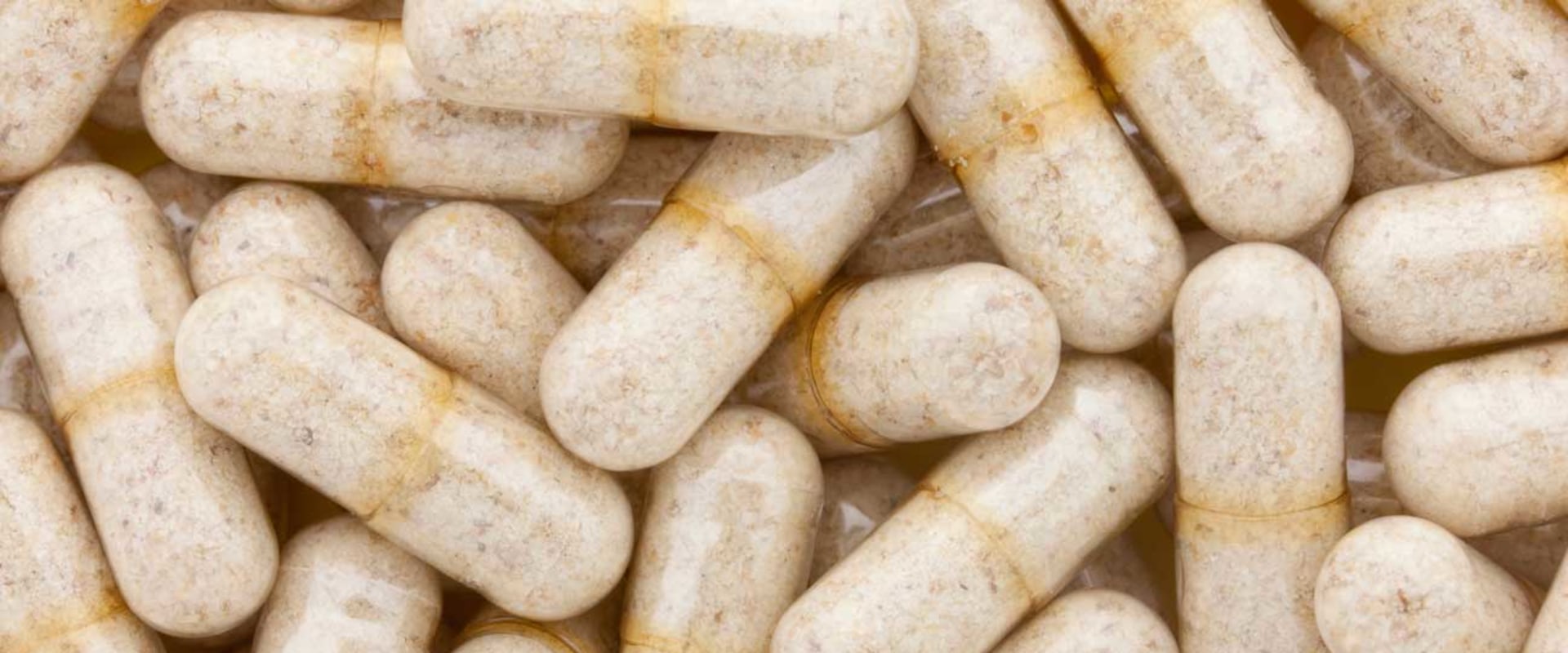
In the quest for effective weight management, many individuals are turning to natural supplements that promise to aid in their journey. One such supplement that has garnered attention is glucomannan , a dietary fiber derived from the root of the konjac plant, native to Asia. This remarkable fiber has been utilized for centuries in traditional medicine, primarily for its digestive benefits. However, its recent rise in popularity as a weight loss aid has sparked interest among those seeking a natural solution to curb their appetite and enhance their overall health.Glucomannan functions as a natural appetite suppressant , working by absorbing water in the stomach and expanding to form a gel-like substance.
This process not only promotes a feeling of fullness but also slows down the digestion of food, which can lead to reduced caloric intake. As a result, many people have found glucomannan to be an effective tool in their weight loss arsenal, helping them manage cravings and maintain a healthier diet.Moreover, glucomannan is not just about weight loss; it also offers additional health benefits that contribute to overall well-being. By improving digestion and promoting gut health, this supplement can enhance nutrient absorption and support a balanced microbiome. As more individuals seek holistic approaches to weight management, glucomannan stands out as a promising option that aligns with the growing trend of natural health solutions.As we delve deeper into the benefits and mechanisms of glucomannan, it becomes clear that this natural supplement holds significant potential for those looking to achieve their weight loss goals.
Understanding how it works and how to incorporate it into your daily routine can empower you on your journey toward better health and wellness.
What is Glucomannan?
Glucomannan
is a natural, water-soluble dietary fiber extracted from the root of the konjac plant (Amorphophallus konjac), which is native to Asia, particularly in countries like Japan and China. This plant has been utilized for centuries in traditional Asian medicine, primarily for its health benefits and as a food source. The konjac root is rich in glucomannan, which is known for its unique ability to absorb water and expand significantly in volume.The chemical structure of glucomannan consists of long chains of polysaccharides, primarily made up of two types of sugar molecules: glucose and mannose. This composition gives glucomannan its remarkable properties, allowing it to hold up to 50 times its weight in water.
When consumed, glucomannan forms a gel-like substance in the stomach, which contributes to feelings of fullness and helps regulate appetite.Historically, glucomannan has been used not only as a dietary supplement but also as a thickening agent in various culinary applications. In Japan, it is commonly found in foods such as shirataki noodles, which are low-calorie noodles made from konjac flour. These noodles have gained popularity among those seeking weight loss solutions due to their ability to provide bulk without adding significant calories.In addition to its culinary uses, glucomannan has been recognized for its potential health benefits. It has been traditionally employed to aid digestion, alleviate constipation, and promote gut health by acting as a prebiotic that nourishes beneficial gut bacteria.
Furthermore, modern research has begun to explore its role in weight management and metabolic health.Overall, glucomannan is not just a simple dietary fiber; it is a versatile ingredient with a rich history and numerous health benefits that make it an appealing option for those looking to enhance their wellness journey.
How Does Glucomannan Work for Weight Loss?
Glucomannan operates through several mechanisms that contribute to its effectiveness as a weight loss supplement. Understanding how it works can help individuals make informed decisions about incorporating it into their weight loss strategies.One of the primary ways glucomannan aids in weight loss is through its remarkable ability to absorb water. When consumed, glucomannan can absorb up to 50 times its weight in water, expanding in the stomach to form a gel-like substance. This expansion creates a sensation of fullness, which can significantly reduce hunger pangs and cravings.By promoting satiety, glucomannan helps individuals consume fewer calories throughout the day.Additionally, this gel-like substance slows down the process of digestion. As food moves more slowly through the digestive tract, the body has more time to absorb nutrients effectively. This gradual digestion not only helps maintain stable blood sugar levels but also prolongs feelings of fullness, further aiding in appetite suppression.Moreover, glucomannan interacts with bile acids in the intestines. By binding to these acids, it may help lower cholesterol levels and improve overall heart health.
This interaction can also contribute to weight loss by reducing fat absorption from the diet.Another important aspect of glucomannan's mechanism is its impact on gut health. By promoting the growth of beneficial gut bacteria, glucomannan enhances digestion and nutrient absorption. A healthy gut microbiome is essential for effective metabolism and can play a role in weight management.In summary, glucomannan supports weight loss through:
- Water absorption: Expands in the stomach to create a feeling of fullness.
- Slowed digestion: Prolongs satiety and stabilizes blood sugar levels.
- Bile acid binding: May lower cholesterol and reduce fat absorption.
- Gut health improvement: Promotes beneficial bacteria for better digestion.
Scientific Evidence Supporting Glucomannan for Weight Loss
Numerous scientific studies have investigated the effectiveness of glucomannan as a weight loss supplement, providing compelling evidence for its benefits. One of the most notable studies was published in the American Journal of Clinical Nutrition, which examined the effects of glucomannan on overweight individuals.In this randomized controlled trial, participants who took glucomannan lost an average of 5.5 pounds over a 16-week period compared to those who received a placebo. This study highlighted glucomannan's ability to promote weight loss through appetite suppression and increased feelings of fullness.Another significant study published in the Journal of Obesity focused on the impact of glucomannan on body composition. Participants who consumed glucomannan alongside a calorie-restricted diet experienced a greater reduction in body fat percentage compared to those on the same diet without the supplement. The researchers concluded that glucomannan not only aids in weight loss but also helps in reducing body fat, making it a valuable tool for those looking to improve their overall health.A meta-analysis conducted by researchers at the University of Sydney reviewed multiple studies involving glucomannan and weight loss.
The analysis found that participants taking glucomannan lost an average of 3.2 kg (approximately 7 pounds) more than those not taking the supplement over a period of 8 to 12 weeks. This comprehensive review underscored the consistency of glucomannan's effectiveness across various populations and settings.Furthermore, a study published in The Journal of Nutrition explored how glucomannan affects satiety hormones. The results indicated that glucomannan supplementation led to increased levels of peptide YY (PYY) and glucagon-like peptide-1 (GLP-1), both of which are hormones that promote feelings of fullness and reduce appetite. This hormonal response provides a physiological basis for glucomannan's role in weight management.In summary, scientific research supports the effectiveness of glucomannan as a weight loss supplement.
Clinical trials consistently demonstrate its ability to aid in weight loss by suppressing appetite, enhancing satiety, and promoting fat loss. As more studies emerge, glucomannan continues to establish itself as a promising option for individuals seeking natural methods to achieve their weight loss goals.
Additional Health Benefits of Glucomannan
While glucomannan is widely recognized for its potential in aiding weight loss, it also offers a range of additional health benefits that can enhance overall well-being. These benefits include improved digestion, cholesterol management, and blood sugar regulation, making glucomannan a versatile supplement for those looking to improve their health.Improved Digestion
One of the most significant advantages of glucomannan is its ability to promote digestive health. As a soluble fiber, it absorbs water and expands in the stomach, forming a gel-like substance that aids in the smooth passage of food through the digestive tract.This can help alleviate common digestive issues such as:
- Constipation: By increasing stool bulk and promoting regular bowel movements, glucomannan can help prevent constipation.
- Bloating: The gel-like consistency can help reduce bloating by slowing down the digestion process and allowing for better nutrient absorption.
- Gut Health: Glucomannan acts as a prebiotic, fostering the growth of beneficial gut bacteria. A healthy gut microbiome is essential for optimal digestion and overall health.
Cholesterol Reduction
Another notable benefit of glucomannan is its potential to lower cholesterol levels. Research indicates that glucomannan may help reduce total cholesterol and low-density lipoprotein (LDL) cholesterol, often referred to as "bad" cholesterol. It achieves this by:- Binding to Bile Acids: Glucomannan binds to bile acids in the intestines, which forces the body to use cholesterol to produce more bile acids, thereby lowering cholesterol levels in the bloodstream.
- Reducing Absorption: By slowing down digestion, glucomannan can decrease the absorption of dietary fats and cholesterol from food.
Blood Sugar Regulation
Glucomannan may also play a role in regulating blood sugar levels.By slowing the absorption of carbohydrates in the digestive tract, it helps prevent spikes in blood sugar after meals. This can be particularly beneficial for individuals with diabetes or those at risk of developing insulin resistance. Some key points include:
- Improved Insulin Sensitivity: Regular consumption of glucomannan may enhance insulin sensitivity, making it easier for cells to utilize glucose effectively.
- Sustained Energy Levels: By moderating blood sugar levels, glucomannan can help maintain steady energy levels throughout the day, reducing fatigue and cravings.
Recommended Dosage and How to Use Glucomannan Safely
When considering the use of glucomannan as a weight loss supplement, understanding the appropriate dosage and how to use it safely is crucial for maximizing its benefits while minimizing potential side effects.The recommended dosage can vary based on individual health needs and the specific goals of supplementation.
Recommended Dosage
- The typical dosage for glucomannan aimed at weight loss is between 1 to 3 grams per day.
- This dosage is usually divided into three separate intakes, taken before meals.
- It is essential to consume glucomannan with at least 8 ounces of water to ensure proper absorption and to prevent choking hazards.
- For those using glucomannan for other health benefits, such as improving digestive health or managing cholesterol levels, lower dosages may be effective.
How to Take Glucomannan
To effectively incorporate glucomannan into your routine, follow these guidelines:
- Timing: Take glucomannan approximately 30 minutes before meals. This timing helps to promote a feeling of fullness, which can lead to reduced calorie intake during meals.
- Form: Glucomannan is available in various forms, including powder, capsules, and as an ingredient in certain foods like shirataki noodles. Choose a form that fits your lifestyle and preferences.
- Hydration: Always take glucomannan with a full glass of water. This is critical not only for its effectiveness but also for safety, as insufficient water intake can lead to gastrointestinal blockages.
Safety Precautions
While glucomannan is generally considered safe for most individuals, there are important precautions to keep in mind:
- Consultation: Speak with a healthcare provider before starting glucomannan, especially if you have existing health conditions or are taking medications.
This is particularly important for individuals with diabetes or those on blood sugar-lowering medications.
- Allergies: Be aware of any potential allergic reactions. If you experience symptoms such as rash, itching, or difficulty breathing after taking glucomannan, discontinue use immediately and seek medical attention.
- Side Effects: Common side effects may include bloating, gas, and diarrhea. If these symptoms persist or worsen, consult your healthcare provider.
Potential Side Effects and Precautions
While glucomannan is generally regarded as safe for most individuals, it is essential to be aware of potential side effects and safety concerns associated with its use. Understanding these factors can help you make informed decisions about incorporating this supplement into your weight loss regimen.Common Side Effects
- Bloating: Some users may experience bloating due to the fiber's ability to absorb water and expand in the stomach.
- Gas: Increased gas production can occur as glucomannan ferments in the gut, leading to discomfort.
- Diarrhea: High doses of glucomannan may lead to diarrhea, particularly if not taken with sufficient water.
- Abdominal Discomfort: Some individuals report cramping or general discomfort in the abdominal area after taking glucomannan.
Serious Concerns
In rare cases, glucomannan can cause more severe reactions.
These include:
- Choking Hazard: If not taken with adequate water, glucomannan can swell in the throat, leading to choking or esophageal blockage. It is crucial to consume it with a full glass of water.
- Allergic Reactions: Although uncommon, some individuals may experience allergic reactions, including rash, itching, or difficulty breathing.
Contraindications
Certain populations should exercise caution or avoid glucomannan altogether:
- Individuals with Esophageal Disorders: Those who have difficulty swallowing or conditions like esophageal stricture should avoid this supplement due to the risk of choking.
- Pregnant or Nursing Women: There is limited research on the safety of glucomannan during pregnancy and breastfeeding; therefore, consulting a healthcare provider is advisable.
- People on Medications: Glucomannan may interfere with the absorption of certain medications. If you are taking prescription drugs, consult your doctor before starting supplementation.
Consultation with Healthcare Providers
Before beginning any new supplement regimen, including glucomannan, it is wise to consult with a healthcare professional. They can provide personalized advice based on your health history and current medications.
This step is particularly important for individuals with pre-existing health conditions or those who are pregnant or nursing.In summary, while glucomannan offers potential benefits for weight loss, being aware of its side effects and precautions is crucial for safe use. By taking these considerations into account, you can better navigate your weight loss journey with this supplement.
Incorporating Glucomannan into Your Diet: Food Sources and Supplements
Incorporating glucomannan into your diet can be a straightforward process, thanks to its availability in various food sources and supplement forms. Understanding these options can help you effectively integrate this beneficial fiber into your daily routine.Food Sources of Glucomannan
Glucomannan is primarily derived from the root of the konjac plant, which is native to Asia. Here are some common food sources that contain glucomannan:- Shirataki Noodles: Often referred to as "miracle noodles," these are made from konjac flour and are extremely low in calories.
They can be used in a variety of dishes, from stir-fries to soups.
- Konjac Flour: This flour is used as a thickening agent in various recipes and can be added to smoothies, sauces, or baked goods to increase fiber content.
- Konjac Jelly: A popular snack in some Asian countries, konjac jelly is made from glucomannan and can be found in various flavors. It serves as a low-calorie dessert option.
- Konjac Chips: These are crispy snacks made from konjac flour, providing a crunchy alternative to traditional chips while being low in calories.
Supplement Options
If you find it challenging to incorporate glucomannan-rich foods into your diet, supplements are an excellent alternative. Here are some common forms of glucomannan supplements:- Capsules: These are convenient for those who prefer a quick and easy way to consume glucomannan without altering their meals.
- Powder: Glucomannan powder can be mixed with water or added to smoothies and shakes. This form allows for flexible dosing and can easily be incorporated into various recipes.
- Tablets: Similar to capsules, tablets offer another easy method for supplementation, often with specific dosages indicated on the packaging.
Additionally, always follow the recommended dosage instructions on the label or consult with a healthcare professional for personalized advice.In conclusion, whether through food sources like shirataki noodles and konjac flour or via supplements in capsule or powder form, incorporating glucomannan into your diet can enhance your weight loss efforts while providing additional health benefits. Experimenting with different forms can help you find what works best for your lifestyle and dietary preferences.
FAQs About Glucomannan and Weight Loss
As glucomannan gains popularity as a weight loss supplement, many individuals have questions about its effectiveness, safety, and usage. Below are some frequently asked questions that address common concerns and misconceptions regarding glucomannan and its role in weight loss.What is glucomannan?
Glucomannan is a natural soluble fiber extracted from the root of the konjac plant, also known as Amorphophallus konjac. It is primarily composed of polysaccharides, which are long chains of sugar molecules.This fiber is renowned for its ability to absorb water and expand in the stomach, creating a feeling of fullness that can help reduce appetite.
How does glucomannan aid in weight loss?
Glucomannan aids in weight loss primarily by:- Suppressing appetite: When taken before meals, glucomannan absorbs water and forms a gel-like substance that occupies space in the stomach, leading to reduced hunger.
- Slowing digestion: The gel-like consistency slows down the digestive process, allowing for more gradual absorption of nutrients and prolonging feelings of fullness.
- Reducing caloric intake: By promoting satiety, glucomannan can help individuals consume fewer calories overall.
Are there any side effects associated with glucomannan?
While glucomannan is generally considered safe for most people, some may experience side effects such as:- Bloating
- Gas
- Abdominal discomfort
- Nausea
How should I take glucomannan for weight loss?
The recommended dosage for weight loss typically ranges from 1 to 3 grams per day, divided into doses taken before meals. It is essential to consume glucomannan with at least 8 ounces of water to ensure it expands properly in the stomach.Can glucomannan interact with medications?
Yes, glucomannan can interfere with the absorption of certain medications. If you are taking prescription drugs or have underlying health conditions, it is advisable to consult your doctor before starting glucomannan supplementation.Is glucomannan suitable for everyone?
While many people can benefit from glucomannan, it may not be suitable for those with specific health issues such as esophageal stricture or difficulty swallowing.Pregnant or breastfeeding women should also seek medical advice before using this supplement.In summary, glucomannan can be an effective tool for weight loss when used correctly. However, understanding its benefits and potential side effects is crucial for safe and effective use.
Conclusion: The Role of Glucomannan in Your Weight Loss Journey
In summary, glucomannan emerges as a promising ally in the quest for effective weight loss. This natural dietary fiber, derived from the konjac plant, offers a multifaceted approach to managing weight by addressing both appetite control and digestive health. As we have explored throughout this article, glucomannan's ability to absorb water and expand in the stomach creates a sensation of fullness, which can significantly reduce overall caloric intake.Moreover, the benefits of glucomannan extend beyond mere appetite suppression.By promoting a healthier digestive system, it aids in the growth of beneficial gut bacteria, which can enhance nutrient absorption and contribute to overall well-being. This dual action not only supports weight loss but also fosters a healthier lifestyle.However, it is crucial to approach glucomannan as part of a comprehensive weight management strategy. While it can be an effective supplement, relying solely on it without incorporating other healthy habits may not yield the desired results. Here are some key points to consider:
- Balanced Diet: Pair glucomannan with a nutritious diet rich in whole foods, fruits, vegetables, lean proteins, and healthy fats.
- Regular Exercise: Incorporate physical activity into your routine to enhance weight loss efforts and improve overall health.
- Hydration: Ensure adequate water intake when using glucomannan to prevent potential side effects and maximize its effectiveness.
- Consultation with Healthcare Professionals: Always discuss with your doctor or a registered dietitian before starting any new supplement, especially if you have existing health conditions or are taking medications.
By understanding its benefits and incorporating it into a holistic approach to weight management, you can take meaningful steps toward achieving your weight loss goals while enhancing your overall health.